 Big Red Doghouse
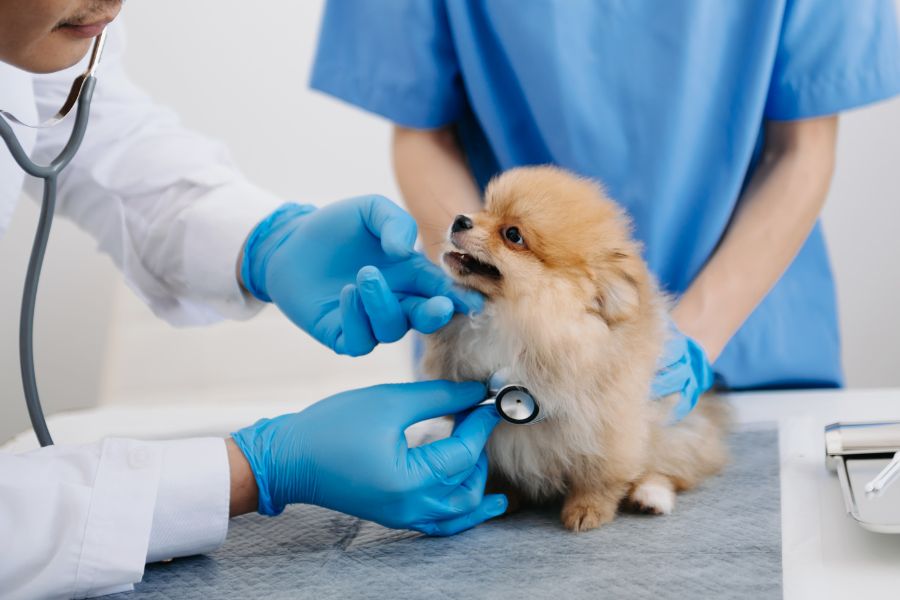
Pets need regular check-ups and tests to stay healthy, just like people. Since animals cannot tell us how they feel, pet diagnostic tests help detect issues early and give you peace of mind. These tests help pets live healthier and happier lives.
Why Pet Diagnostic Tests Matter?
Taking care of your pet’s health early on is always better than waiting for problems to become serious. Regular diagnostic tests at your trusted clinic can identify hidden health issues before they become more serious. These tests help monitor various aspects of your pet’s health, such as blood counts and organ function.
They provide a clear picture of your pet’s overall well-being, allowing the team to spot issues such as infections, diabetes, or kidney problems that might not be obvious at first. Here are the ten most common diagnostic tests used to keep your pet healthy and happy.
1. Blood Work and Complete Blood Count (CBC)
A Complete Blood Count (CBC) is a standard test for pets that helps detect health issues such as anemia, infections, and certain cancers. It does this by checking the levels of red and white blood cells, platelets, and hemoglobin in your pet’s blood. Blood tests like this are essential because they can reveal underlying health problems that might not be apparent from the outside.
2. Urinalysis
A urinalysis test involves examining your pet’s urine to help understand how well the kidneys are functioning. It can also detect urinary tract infections and check for signs of diabetes or bladder stones. This test provides valuable information about kidney and liver health and overall metabolism.
- Helps detect UTIs and kidney issues
- Monitors hydration and electrolyte balance
3. X-Rays
X-rays are commonly used to diagnose various health issues in pets, including injuries, bone problems, or the presence of foreign objects. They also help detect internal organ problems, such as those affecting the heart, lungs, or abdomen. For instance, a chest X-ray can reveal fluid accumulation in the lungs or signs of heart disease. Overall, X-rays are a key part of diagnosing severe conditions like broken bones and tumors, providing vital information to ensure pets receive appropriate care.
4. Ultrasound
Unlike X-rays, ultrasounds utilize sound waves to generate images of internal body structures. This method is especially valuable for assessing soft tissues such as the heart, liver, and kidneys. It is frequently used when X-rays do not provide sufficient diagnostic information.
- Non-invasive and gives real-time images
- Ideal for assessing internal organs and pregnancies
5. Heartworm Test
Heartworm disease is a serious health issue that primarily affects dogs and can significantly impact their well-being. A simple blood test can detect worm larvae in the bloodstream. If left untreated, these worms can cause severe damage to the heart and lungs, leading to serious health complications. It becomes critical for pets in areas with a high mosquito population.
6. Fecal Exam
Fecal exams are essential for detecting intestinal parasites in pets, including worms, Giardia, and coccidia. They usually require analyzing a stool sample under a microscope to identify parasite eggs or larvae.
- Detects gastrointestinal parasites
- Essential for maintaining digestive health
7. Skin Scraping or Biopsy
If your pet shows signs of skin issues such as itching, rashes, or hair loss, a skin scraping or biopsy may be necessary. These procedures involve taking a small skin sample to test for fungal infections, parasites, or allergies. Doctors also use skin biopsies to detect tumors or other cancerous growths, helping determine the best course of treatment.
- Helps identify skin infections and tumors
- Detects fungal or parasitic infections
8. Blood Pressure Monitoring
Pets can experience blood pressure issues similar to humans, which can cause serious health problems like kidney failure and heart disease. Monitoring blood pressure in pets is especially important for older animals or those with existing health issues, as it helps detect hypertension early and ensures they receive the appropriate care.
9. Allergy Testing
Allergy testing helps identify environmental, food, or flea allergies in pets. These tests are usually done when a pet has ongoing itching, ear infections, or stomach problems. Identifying which allergens affect your pet can help in developing a suitable treatment plan.
10. Thyroid Function Test
A thyroid function test is a straightforward way to detect thyroid problems such as hypothyroidism or hyperthyroidism in pets. These conditions can affect their metabolism, energy levels, and overall well-being. The test involves a simple blood sample to check thyroid hormone levels in your pet’s bloodstream, helping ensure their health and comfort.
- Detects thyroid imbalances that affect metabolism
- Vital for managing energy and weight issues
Ensuring Your Pet’s Health With Diagnostic Tests
Regular pet diagnostic tests are crucial for detecting and managing health issues early on. Whether it is a simple blood test or a detailed ultrasound, these tests give key information about your pet’s general health. As pets grow older, these tests become even more vital for keeping them healthy and happy.
If you have been online searching for veterinarians near me to perform pet diagnostic tests for your dog or your cat in East Greenbush, NY, schedule a regular checkup with us at East Greenbush Animal Hospital to support your pet’s health and ensure they receive the care they deserve.
FAQs
1. How often should pets undergo diagnostic tests?
Ans: Pets should undergo diagnostic tests at least annually, with more frequent checkups advised for older or unwell animals to monitor their health.
2. What is the purpose of a fecal exam for pets?
Ans: A fecal exam helps identify intestinal parasites, such as worms and Giardia, which can cause digestive problems and discomfort in pets.
3. What does an ultrasound diagnose in pets?
Ans: An ultrasound is used to diagnose problems in soft tissues like the liver, kidneys, or heart, and it is commonly employed to detect tumors or pregnancy.
4. Why are blood pressure tests necessary for pets?
Ans: Blood pressure tests are essential for identifying hypertension, which can cause organ damage, particularly in older pets or those with kidney issues.
5. What role does a urinalysis play in diagnosing kidney disease?
Ans: A urinalysis can detect indicators of kidney disease by assessing protein levels, urine concentration, and overall kidney health.
 I have a GSD who isn't always her best self at the vet. She goes every 6 to 8 weeks for allergy shots so it is hard to create a positive association. My GSD has been going here since she was a puppy, and the staff are wonderful. At our last visit I learned that they actually put a note on my girl's file that she "does best receiving her treatments in the chair with mom holding her head." That made me happy to know that they wrote a note to ensure the visit doesn't create more stress for my dog.
