 Big Red Doghouse
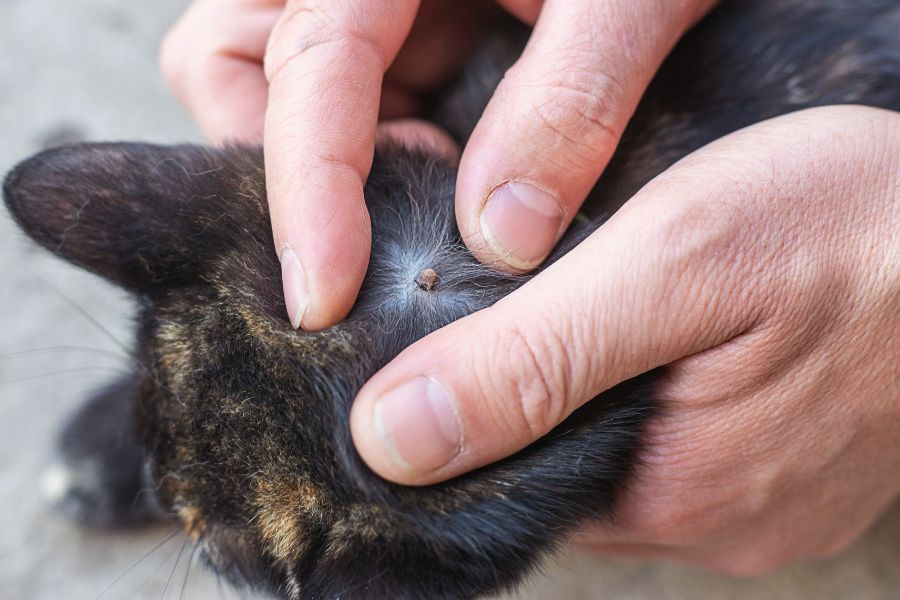
People often think of fleas and ticks when it comes to pet parasites, but many quiet, lesser-known parasites can also cause harm. These hidden parasites can go undetected for weeks or months, leading to serious health problems for your pet. To keep your pet safe, it is crucial to understand what these parasites are and how to prevent them. Let’s look at 5 silent parasites that might be affecting your pet right now.
1. Heartworms: A Silent, Deadly Threat
Heartworms are among the most dangerous silent parasites in pets. Very often, they go unnoticed until the damage inside the pet’s body has been done. Transmitted by mosquito bites, heartworm larvae travel to the lungs, heart, and blood vessels, causing severe damage over time.
While cough, lethargy, and labored breathing may eventually occur, these symptoms are often attributed to other diseases. Since heartworm disease is insidious and nearly impossible to diagnose in its early stages, owners must use monthly heartworm prevention drugs.
2. Intestinal Worms: The Hidden Health Risk
Intestinal worms, such as roundworms, hookworms, and tapeworms, are hidden parasites that can cause a lot of harm to your pet’s digestive health. These worms can be transmitted when your pet eats contaminated food or water, or comes into contact with soil contaminated with them.
Some intestinal worms can cause noticeable symptoms such as diarrhea or vomiting, while others may not show any signs right away. Pets with long-standing infections may experience weight loss, a dull coat, and reduced energy. Regular deworming treatments recommended by your veterinarian are an effective way to protect your pet from these hidden but harmful parasites.
3. Ear Mites: Tiny, Hidden Invaders
Ear mites are common parasites in pets and can be hard to spot. These tiny creatures live in your pet’s ears and can cause irritation, itching, and swelling. Pets with ear mites often scratch their ears or shake their heads frequently, but these mites are usually too small to see easily. If left untreated, ear mites can cause secondary infections or even hearing problems. If your pet keeps scratching its ears, it is best to take it to the vet for an accurate diagnosis and proper treatment. Your vet can recommend a safe and effective medication to eliminate the mites and help your pet feel more comfortable.
4. Giardia: The Hidden Gut Parasite
Giardia is a tiny parasite that can infect your pet’s digestive system. It often spreads when your pet drinks contaminated water, especially in areas with puddles or standing water. This parasite can cause serious symptoms such as severe diarrhea, vomiting, and weight loss, though these signs can sometimes be mistaken for other common digestive problems.
Unlike many other common parasites in pets that can live in the intestines, Giardia often does not cause noticeable changes in how a person feels or behaves. Regular stool tests are a helpful way for your veterinarian to detect this parasite early. There are effective treatments available, and practicing good hygiene, such as avoiding contaminated water sources, can help prevent future infections.
5. Fleas: The Invisible Nuisance
Fleas are small pests that many people might overlook at first. They tend to hide in your pet’s thick fur, making early detection difficult, and making them a silent parasite in pets. Although a flea infestation can cause itching, hair loss, and skin infections, your pet may not show obvious symptoms until the problem becomes more serious.
Fleas can carry tapeworms and spread other illnesses, so it is vital to protect your pet from them. Using year-round flea prevention is the most effective way to keep your pet safe from this hidden danger. Your veterinarian can suggest simple treatments such as topical medications, oral pills, or flea collars to help keep fleas away.
Protecting Your Pet from Silent Parasites
Parasites can be difficult to detect because they often show no symptoms until they have caused significant damage. It is essential to protect your pet year-round from hidden parasites, including heartworms, intestinal worms, ear mites, Giardia, and fleas. Regular visits to the veterinarian, consistent parasite prevention treatments, and maintaining good hygiene are key steps in keeping your pet healthy.
Don’t wait until it is too late to protect your pet from silent parasites. If you’re in East Greenbush, NY, and looking for a qualified vet near you, visit our team at East Greenbush Animal Hospital to check that your furry friend is parasite-free and healthy. We will help you understand the best ways to keep your pet protected. Request an appointment today to find out more about our parasite prevention services and how we can help keep your pet safe.
FAQs
Q1. Is it too late to start flea prevention if my pet already has fleas?
Ans: It’s never too late to start flea prevention. While treating the current infestation, start preventive measures immediately to avoid future issues. Your vet can recommend effective flea treatments to clear the current problem and prevent reinfestation with ongoing protection.
Q2. Can heartworm medication be harmful to my pet?
Ans: Heartworm medication is generally safe when used as directed. However, it’s essential to follow your vet’s guidelines, especially if your pet has existing health issues. Overdosing or missing doses can lead to adverse reactions, so always ensure you’re administering the medication correctly.
Q3. Can parasites cause discomfort in my pet’s skin?
Ans: Yes, parasites like fleas and ticks cause itching, irritation, and hair loss. In some cases, they can also lead to skin infections. Early treatment with flea or tick preventatives can help alleviate your pet’s discomfort and prevent further skin issues caused by parasitic infestations.
Q4. How can I ensure my pet stays parasite-free?
Ans: Keep your pet on a regular parasite-prevention schedule, including flea, tick, and heartworm treatments. Regular vet check-ups, proper hygiene, and limiting your pet’s exposure to high-risk environments are essential for keeping them parasite-free and healthy year-round.
Q5. Are there any natural remedies for parasites?
Ans: Some natural remedies, like diatomaceous earth or essential oils, may provide temporary relief, but they are often less effective than vet-approved treatments. Consult your vet for the safest and most effective prevention options, especially for serious parasites like heartworms or fleas.
 I have a GSD who isn't always her best self at the vet. She goes every 6 to 8 weeks for allergy shots so it is hard to create a positive association. My GSD has been going here since she was a puppy, and the staff are wonderful. At our last visit I learned that they actually put a note on my girl's file that she "does best receiving her treatments in the chair with mom holding her head." That made me happy to know that they wrote a note to ensure the visit doesn't create more stress for my dog.
