 Big Red Doghouse
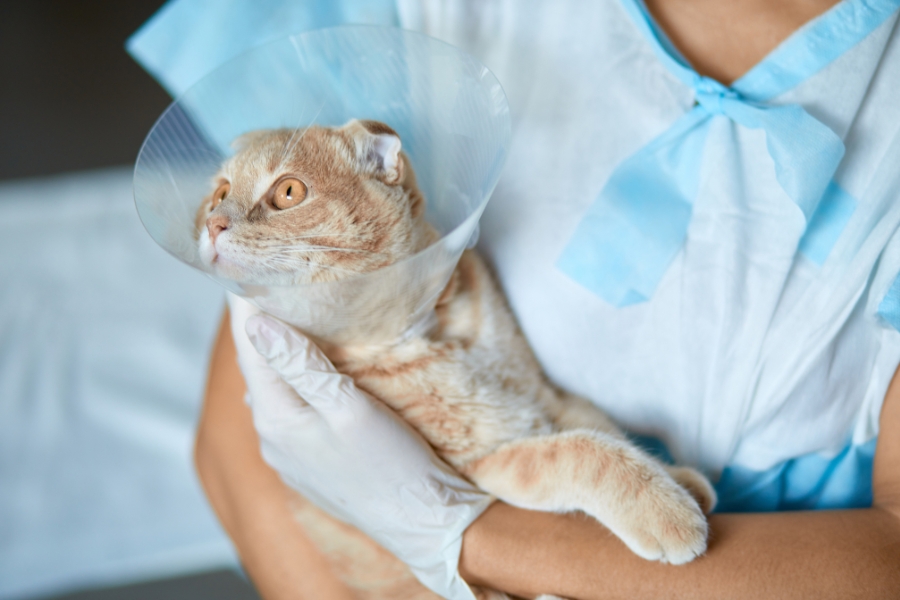
Preparing your pet for surgery can be stressful, especially when you notice signs of fear or restlessness. Many pets experience anxiety leading up to a procedure, but the good news is that there are proven ways to help calm pets before surgery and make the process smoother. This guide explains why pets feel anxious, how to reduce pet anxiety effectively, and what you can do at home before visiting a veterinarian.
Why Pets Experience Anxiety Before Surgery
Pet anxiety before surgery is very common. Animals are highly sensitive to changes in routine, unfamiliar environments, and their owner’s emotions. A visit to the veterinary clinic often involves new smells, sounds, and people, all of which can increase stress.
Common causes of pre-surgical anxiety include:
- Separation from their owner
- Unfamiliar handling or restraint
- Previous negative veterinary experiences
- Changes in feeding or walking routines
- Owner stress, which pets often mirror
Understanding these triggers is the first step to reduce pet anxiety and help your pet feel more secure.
Signs of Pet Anxiety Before Surgery
Not all pets show anxiety in the same way. Some are vocal, while others become withdrawn. Recognizing early signs allows you to intervene before stress escalates.
Typical signs include:
- Excessive panting or drooling
- Pacing or restlessness
- Trembling or hiding
- Whining, barking, or growling
- Loss of appetite
- Attempts to escape or clinginess
If you notice these behaviors, it is important to take proactive steps to calm pet before surgery rather than waiting until the day of the procedure.
How to Calm Pet Before Surgery at Home
Preparing your pet in advance can significantly reduce anxiety. Small adjustments at home often make a big difference.
Maintain a Calm and Predictable Routine
Pets thrive on routine. In the days leading up to surgery, keep feeding, walking, and play schedules as consistent as possible. Predictability helps your pet feel safe and reduces stress.
Create a Comfortable Resting Space
Set up a quiet, familiar area where your pet can relax. Include their favorite bed, blanket, or toy. Familiar scents provide comfort and help reduce pet anxiety naturally.
Use Gentle Physical Comfort
Calm petting, brushing, or massage can lower your pet’s heart rate. Avoid overstimulation and focus on slow, reassuring movements. Your calm presence can help regulate their emotions.
Exercise, but Do Not Overdo It
Light exercise, such as a walk or a gentle play session, can help burn off nervous energy. Avoid excessive activity, especially close to surgery day, unless approved by your veterinarian.
Preparing for the Day of Surgery
The day of surgery is often the most stressful time for pets and owners alike. Planning ahead can help reduce pet anxiety and prevent unnecessary distress.
Follow Fasting Instructions Carefully
Many procedures require pets to fast. While this may cause mild discomfort, following instructions is essential for safety. Avoid offering treats or table scraps, as this can delay surgery.
Stay Calm and Reassuring
Pets pick up on human emotions quickly. Speak in a calm tone, avoid rushed movements, and offer gentle reassurance. Staying composed helps calm pet before surgery more than excessive attention.
Bring Familiar Items
A favorite toy or blanket can provide comfort during check-in. Familiar smells can ease anxiety when your pet is in a new environment.
Veterinary Support for Reducing Pet Anxiety
A trusted veterinarian can be an essential partner in managing pet anxiety before surgery. Veterinary teams are trained to handle anxious pets and offer medical solutions when needed.
Pre-Visit Consultations
Discuss your pet’s anxiety during the pre-surgical exam. Sharing details about behavior, fears, and previous experiences helps the veterinary team plan a gentler approach.
Calming Medications or Supplements
In some cases, veterinarians may recommend mild anti-anxiety medications or natural supplements. These are tailored to your pet’s size, health, and procedure type and should only be used under professional guidance.
Fear-Free Handling Techniques
Many clinics use low-stress handling techniques, quiet rooms, and pheromone diffusers to reduce pet anxiety. These practices help pets feel safer during their visit.
Long-Term Strategies to Reduce Pet Anxiety
If your pet struggles with anxiety regularly, not just before surgery, long-term strategies can help improve their overall well-being.
Effective approaches include:
- Gradual desensitization to car rides and clinic visits
- Positive reinforcement training
- Socialization with new environments and people
- Regular wellness visits to build familiarity
Over time, these strategies make veterinary visits less intimidating and help calm pet before surgery in future situations.
Common Mistakes to Avoid
Well-meaning owners sometimes make mistakes that increase anxiety without realizing it.
Avoid the following:
- Over-comforting, which can reinforce fearful behavior
- Skipping veterinary instructions
- Introducing new foods or routines right before surgery
- Punishing anxious behavior
Instead, focus on consistency, reassurance, and professional guidance to reduce pet anxiety effectively.
Conclusion
Helping your pet feel calm before surgery is an important part of their care. By understanding pet anxiety before surgery, preparing your home environment, and working closely with a trusted veterinarian near you, you can make the experience far less stressful. If you need professional guidance in East Greenbush, NY, East Greenbush Animal Hospital is here to help ensure your pet’s comfort and safety. Book an appointment today to discuss your pet’s upcoming procedure.
FAQs
Q1: How can I calm my pet before surgery naturally?
You can reduce pet anxiety naturally by maintaining a calm routine, providing familiar items, using gentle touch, and ensuring light exercise before surgery day.
Q2: Is pet anxiety before surgery normal?
Yes, pet anxiety before surgery is very common due to unfamiliar environments, changes in routine, and separation from their owner.
Q3: Should I give my pet calming treats before surgery?
Only give calming treats or supplements if approved by your veterinarian, as some products may interfere with anesthesia or fasting requirements.
Q4: Can my veterinarian help reduce pet anxiety?
Yes, a veterinarian can offer behavioral advice, calming techniques, or medications tailored to your pet’s needs.
Q5: How early should I prepare my pet for surgery?
Preparation should begin several days in advance to help calm pet before surgery and reduce stress gradually rather than all at once.
 I have a GSD who isn't always her best self at the vet. She goes every 6 to 8 weeks for allergy shots so it is hard to create a positive association. My GSD has been going here since she was a puppy, and the staff are wonderful. At our last visit I learned that they actually put a note on my girl's file that she "does best receiving her treatments in the chair with mom holding her head." That made me happy to know that they wrote a note to ensure the visit doesn't create more stress for my dog.
