 Big Red Doghouse

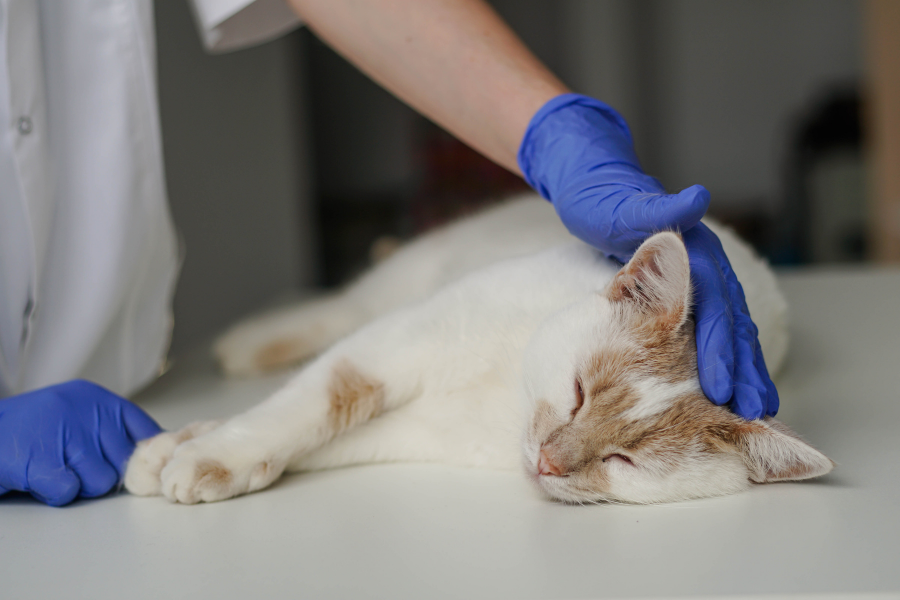
Dogs and cats love to explore their surroundings, but investigating tall grass, wooded trails, gardens, and piles of leaves can sometimes bring them close to snakes. A bite may happen before you have time to react, and the puncture marks can be difficult to spot beneath your pet’s fur. Some pets develop swelling or pain quickly, while others may show more general signs of illness. Knowing what to look for and acting promptly can help protect your pet. East Greenbush Animal Hospital in East Greenbush, NY, encourages pet owners to take suspected snakebites seriously. This guide explains common symptoms, immediate steps to take, treatment options, and ways to reduce your pet’s risk.
What Should You Do If a Snake Bites Your Pet?
If you suspect a snake has bitten your pet, keep your pet calm, limit movement, and seek urgent veterinary care immediately. Do not wait for swelling or other symptoms to become severe. Move away from the snake, contact a veterinary facility, and follow the instructions you receive for safe transport.
Take these steps as soon as possible:
- Move away from the snake. Keep yourself and your pet at a safe distance. Never try to catch, touch, or kill the snake.
- Limit your pet’s movement. Walking, running, and struggling can increase stress. Carry a small pet if you can do so safely.
- Call a veterinarian promptly. Explain that a snakebite is suspected and describe any signs you have noticed.
- Transport your pet carefully. Follow the veterinary team’s instructions and avoid unnecessary handling of the bite area.
- Remember the timing. If possible, note when the bite may have occurred and when the first symptoms appeared.
Do not cut the wound, try to suck out venom, apply ice, or tie a tourniquet around the affected area. Do not give human pain medicine or home remedies unless a veterinarian specifically instructs you to do so.
If your pet has trouble breathing, collapses, or becomes severely weak, seek urgent veterinary care immediately. Do not delay the trip to take photos or identify the snake.
What Are the Signs of a Snakebite in Dogs and Cats?
Snakebite symptoms vary depending on the type of snake, the bite location, the amount of venom involved, and your pet’s size and health. Some bites cause visible swelling and pain, while others may lead to weakness or changes in behavior. Fur can hide small puncture wounds, so the absence of an obvious mark does not rule out a bite.
Watch for these possible signs:
- Sudden pain, yelping, or sensitivity to touch
- Swelling around the face, muzzle, legs, or bite area
- Small puncture marks or bleeding
- Limping or reluctance to walk
- Unusual tiredness, weakness, or wobbling
- Vomiting or excessive drooling
- Changes in gum color or unusual bruising
- Rapid or difficult breathing
- Collapse or reduced responsiveness
Do not wait for all these symptoms to appear. A pet that seems normal immediately after a possible bite may become unwell later. If your dog or cat was near a snake and suddenly develops swelling, pain, or unusual behavior, contact a veterinarian for guidance without delay.
Cats may hide or become unusually quiet when they are in pain. Dogs may whine, limp, or show obvious swelling. In either case, a sudden change after outdoor activity deserves attention.
Why Can Snakebites Be Dangerous for Pets?
Some snakes inject venom when they bite, and that venom can affect the body’s tissues and normal functions. Depending on the species, venom may cause tissue damage, interfere with blood clotting, affect nerves or muscles, or disrupt circulation. A bite from a nonvenomous snake can also cause pain, a wound, or infection.
Possible complications include:
- Tissue damage: The bite area may become swollen, painful, and injured.
- Bleeding problems: Some venoms interfere with the body’s ability to clot blood normally.
- Muscle or nerve effects: Certain bites can cause weakness or difficulty moving.
- Circulation changes: Severe reactions may affect blood pressure and blood flow.
- Breathing problems: Swelling or other complications may interfere with normal breathing.
- Shock: Serious reactions can affect the body’s ability to maintain circulation.
The severity of a bite cannot be judged reliably by the size of the wound. You may not see puncture marks, and a pet that appears stable at first can develop symptoms later.
Do not assume the snake was harmless because it looked small or moved away quickly. If you suspect a bite, let a veterinarian assess the situation and determine whether testing, monitoring, or treatment is needed.
How Do Veterinarians Diagnose and Treat Snakebites?
A veterinarian will ask about your pet’s recent activities, when the bite may have happened, and which symptoms you noticed. The examination may include checking the bite area, breathing, heart rate, gum color, circulation, and level of alertness. Depending on the suspected bite and your pet’s condition, blood tests or other diagnostic checks may be recommended.
Treatment depends on the type of injury and the effects on your pet. It may include pain relief, wound care, fluids, close monitoring, and treatment for complications. In some cases involving venomous snakes, antivenom may be recommended when available and appropriate. The veterinary team will decide on treatment based on the examination and test results.
A hypothetical case example
Imagine a dog returning from a walk with sudden swelling around one front leg and a noticeable limp. The owner did not see a snake but remembers the dog sniffing through a pile of leaves beside the trail. The owner contacts a veterinarian and brings the dog in promptly, allowing the veterinary team to examine the leg and assess possible complications.
This hypothetical example shows why you do not need to see the snake or find clear puncture marks before seeking help. A sudden change in your pet’s condition, combined with possible exposure, is enough reason to contact a veterinarian.
Never attempt to treat a suspected snakebite with leftover medication or home remedies. Prompt veterinary assessment helps identify the possible risks and guide appropriate care.
Are Snakebites Different in Dogs and Cats?
Both dogs and cats can suffer serious complications from snakebites, but their habits may affect how an encounter happens and how the problem is noticed. Dogs may investigate brush, trails, and open ground with their noses. Cats may encounter snakes while hunting or exploring under plants, decks, and other sheltered areas.
Dogs may show obvious signs such as limping, swelling, or whining. Cats may hide, become unusually quiet, stop eating, or resist movement. These behaviors can have many causes, but they are concerning when they occur after possible contact with a snake.
For both species:
- Seek veterinary care promptly if a bite is suspected.
- Keep your pet calm and limit movement.
- Avoid applying ice or manipulating the wound.
- Do not give medication without veterinary guidance.
- Tell the veterinarian where your pet was and when the symptoms began.
Do not assume that cats are less at risk because they spend less time on walks, or that dogs are safe because they are usually supervised. Either pet can encounter a snake in a yard or outdoor area.
How Can You Reduce the Risk of Snakebites?
You cannot remove every risk, but you can make your yard and outdoor routines safer. Snakes may shelter in tall grass, piles of leaves, brush, wood stacks, and rocky areas. Staying alert in these places can reduce the chance of an unexpected encounter.
Helpful precautions include:
- Keep grass trimmed and clear away brush and leaf piles near your home.
- Avoid letting pets investigate holes, rock piles, and wood stacks.
- Keep dogs on a leash in unfamiliar outdoor areas.
- Use a flashlight when taking pets outside after dark.
- Supervise pets in yards where snakes may be present.
- Keep cats indoors or use a secure outdoor enclosure to limit wildlife encounters.
- If you see a snake, calmly move away and keep your pet at a safe distance.
Never encourage your pet to approach a snake, even if it appears motionless. Do not attempt to handle or kill it. Your safety matters, too.
Prevention helps, but it cannot guarantee that a bite will not happen. Knowing the warning signs and acting promptly are essential if an encounter occurs.
When Should You Seek Urgent Veterinary Care?
Seek urgent veterinary care immediately if you suspect your pet has been bitten by a snake, even if symptoms are mild or absent. Waiting for visible swelling or severe weakness can delay needed treatment. Call a veterinary facility as soon as possible and explain what happened.
Signs that require especially urgent attention include:
- Difficulty breathing or rapidly increasing swelling around the face or neck
- Collapse, severe weakness, or difficulty standing
- Pale gums or reduced responsiveness
- Severe pain or rapidly worsening symptoms
- Unusual bleeding or bruising
Call ahead when possible so the veterinary team knows a snakebite is suspected and can advise you about transport. If your usual clinic is closed, contact an urgent veterinary care facility. Do not delay care while trying to identify the snake.
East Greenbush Animal Hospital in East Greenbush, NY, can provide guidance about your pet’s care needs. If you suspect a snakebite, describe the situation clearly and follow the veterinary team’s advice for the next step.
Conclusion
Snakebites can cause serious problems in dogs and cats, and symptoms may not appear immediately. If you suspect a bite, move your pet away from the snake, limit movement, avoid home treatments, and seek veterinary care promptly. Never cut the wound, apply ice, use a tourniquet, or give medication without veterinary instructions. You can also lower the risk by supervising outdoor activity, keeping yards clear of hiding places, and staying alert around brush and tall grass. Call East Greenbush Animal Hospital at (518) 477-7400, located in East Greenbush, NY, which encourages pet owners to take possible snakebites seriously and act without delay. When a bite is suspected, prompt veterinary assessment is safer than waiting for symptoms to worsen.
Frequently Asked Questions
Q1: Can a dog survive a snakebite?
A: Yes, many dogs recover after a snakebite, but the outcome depends on the snake, the bite, and how quickly appropriate care begins. A suspected bite should be assessed promptly, even if the dog seems normal at first.
Q2: How quickly do snakebite symptoms appear in pets?
A: Symptoms such as pain and swelling may develop quickly, but other complications can take longer to become obvious. The timing varies with the type of snake and the bite. Contact a veterinarian immediately if you suspect a bite rather than waiting for signs to appear.
Q3: Should I put ice on my pet’s snakebite?
A: No. Do not apply ice, cut the wound, suck out venom, or tie a tourniquet around the affected area. Keep your pet as calm and still as possible and seek veterinary care promptly.
Q4: Can cats get bitten by snakes?
A: Yes. Cats may encounter snakes while exploring outdoors or hunting. If your cat suddenly hides, limps, develops swelling, or acts unusually after possible contact with a snake, contact a veterinarian immediately.
Q5: When should I contact East Greenbush Animal Hospital about a suspected snakebite?
A: Seek veterinary guidance immediately if you think your pet has been bitten, even if you cannot see a wound. Difficulty breathing, collapse, severe weakness, or rapidly increasing swelling requires urgent veterinary attention.
 I have a GSD who isn't always her best self at the vet. She goes every 6 to 8 weeks for allergy shots so it is hard to create a positive association. My GSD has been going here since she was a puppy, and the staff are wonderful. At our last visit I learned that they actually put a note on my girl's file that she "does best receiving her treatments in the chair with mom holding her head." That made me happy to know that they wrote a note to ensure the visit doesn't create more stress for my dog.
