 Big Red Doghouse

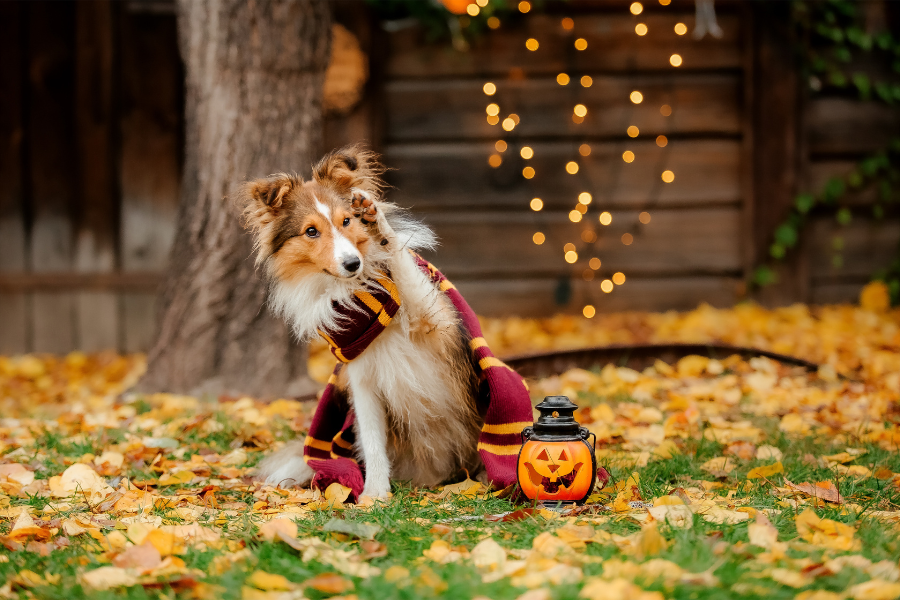
Halloween brings candy, baked goods, decorations, and busy gatherings into many homes. While people enjoy seasonal treats, dogs and cats may be tempted to investigate an unattended candy bowl, chew on a discarded wrapper, or taste food left within reach. Some ingredients can be toxic to pets, and other items may cause digestive problems or an intestinal blockage. The signs are not always obvious right away, so knowing what to watch for is important. East Greenbush Animal Hospital in East Greenbush, NY, encourages pet owners to prepare for Halloween by keeping hazardous foods and products secured. This guide explains common poisoning risks, warning signs, what to do after a suspected exposure, and when to seek urgent veterinary care.
What Halloween Items Can Poison Dogs and Cats?
Several Halloween foods and household items can be harmful to pets, including chocolate, certain sugar-free sweets, alcohol, and some decorations or products containing toxic substances. The risk depends on what your pet ate, how much was swallowed, and your pet’s size and health. If you suspect poisoning, contact a veterinarian or an animal poison advice service promptly rather than waiting for symptoms.
Common Halloween hazards include:
- Chocolate: Chocolate contains substances that can be toxic to dogs and cats. The risk varies by type and amount.
- Sugar-free candy and gum: Some products contain xylitol, which can cause dangerous effects in dogs.
- Grapes and raisins: These can cause serious kidney problems in dogs.
- Alcohol: Drinks and foods containing alcohol can be harmful to pets.
- Candy wrappers: Swallowed packaging can cause choking or digestive blockage.
- Decorative materials: Strings, fake cobwebs, and small plastic objects may be swallowed or become tangled.
- Household chemicals: Cleaning products, craft supplies, and other chemicals can cause poisoning if licked or swallowed.
Not every exposure causes poisoning, but you cannot safely judge the risk by looking at the item alone. The ingredients, amount, and timing matter. Keep the product packaging if possible and provide the details to a veterinary professional.
Do not induce vomiting or give milk, oil, food, or other home remedies unless a veterinarian specifically instructs you to do so.
What Are the Warning Signs of Poisoning in Pets?
Poisoning can affect different parts of the body, so symptoms vary depending on the substance and the amount involved. Some pets develop signs quickly, while others may appear normal initially. If your pet may have swallowed a harmful substance, do not wait for symptoms before seeking professional guidance.
Possible warning signs include:
- Vomiting or diarrhea
- Excessive drooling
- Loss of appetite
- Unusual restlessness or agitation
- Weakness or marked tiredness
- Trembling or muscle twitching
- Unsteady walking or loss of coordination
- Changes in heart rate or breathing
- Seizures or collapse
Some signs are easy to mistake for an upset stomach or normal tiredness. However, sudden symptoms after access to candy, chemicals, or unknown items should be taken seriously.
Difficulty breathing, seizures, collapse, or severe weakness require urgent veterinary care. Do not try to manage severe symptoms at home or wait for your pet to recover on their own.
If you notice a possible exposure, note when it happened and what your pet may have eaten. A photo of the packaging or a list of ingredients can help the veterinary team assess the risk.
Why Can Halloween Candy Be Dangerous for Pets?
Halloween candy can contain ingredients that affect pets differently from people. Chocolate contains theobromine and caffeine, which dogs and cats do not process in the same way humans do. Sugar-free products may contain xylitol, which can cause a dangerous drop in blood sugar in dogs and may lead to other serious complications.
Other concerns include large amounts of sugar or fat, swallowed wrappers, and candy that contains additional ingredients. A pet that eats candy may also chew or swallow the packaging, creating a separate risk of choking or intestinal blockage.
Keep these points in mind:
- The type of chocolate matters, as darker chocolate generally contains more theobromine than milk chocolate.
- A small pet may be at risk after eating less of a harmful substance than a larger pet.
- Sugar-free products should be checked for xylitol and other potentially harmful ingredients.
- Wrappers can cause problems even if the candy itself is not toxic.
- Symptoms may be delayed, so an apparently normal pet may still need professional advice.
Never assume that a small bite is harmless. If your pet eats chocolate, sugar-free candy, or another potentially dangerous product, contact a veterinarian promptly and provide the product details.
What Should You Do If Your Pet Eats Something Potentially Toxic?
If you suspect your pet has eaten a harmful substance, act promptly and avoid home treatments. Contact a veterinarian and explain what your pet may have swallowed, how much, and when it happened. Follow the instructions provided, even if your pet has not developed symptoms yet.
Take these steps:
- Move the remaining item out of reach. Prevent your pet from eating more of the substance.
- Keep the packaging. Save the wrapper, container, or ingredient list for the veterinary team.
- Estimate the amount. Note how much may be missing and whether other items were swallowed.
- Record the timing. Write down when the exposure may have happened.
- Observe your pet. Note vomiting, drooling, unusual behavior, weakness, or changes in breathing.
- Follow professional advice. Do not give medication or try to induce vomiting unless instructed.
If your pet has difficulty breathing, collapses, has seizures, or is severely weak, seek urgent veterinary care immediately. Do not delay care to gather packaging if doing so would put your pet at risk.
A hypothetical case example
Imagine a dog finding a bowl of Halloween candy left on a low table. The owner notices that several pieces are missing and finds a torn wrapper nearby, but the dog initially seems normal. The owner checks the packaging, calls a veterinarian, and explains which candy may have been eaten and when it happened. The veterinary team uses those details to advise the owner on the safest next step.
This hypothetical example shows why waiting for symptoms is not always the safest approach. Prompt guidance can help determine whether an exposure needs immediate examination or other action.
Can Halloween Decorations and Other Items Cause Poisoning?
Yes. Some Halloween hazards are not foods at all. Decorations, craft materials, and household products can cause harm if pets chew, lick, or swallow them. Certain items may be toxic, while others create choking or blockage risks.
Watch out for:
- Glow products: If chewed, some may release a bitter liquid that causes drooling and distress. Contact a veterinarian for guidance after exposure.
- Fake cobwebs and strings: These may be swallowed and can cause serious digestive complications.
- Small plastic decorations: These can be swallowed or become lodged in the digestive tract.
- Batteries: Chewed or swallowed batteries can cause severe injury and need prompt veterinary guidance.
- Cleaning products: Chemicals used before or after a party can be harmful if licked or swallowed.
- Scented oils and craft products: Some substances can irritate or poison pets depending on the ingredients and exposure.
Keep decorations out of reach and inspect them regularly for broken pieces. Store cleaning supplies and craft products in closed cabinets, and avoid leaving tools or packaging on the floor.
If your pet chews a battery, swallows a string-like item, or may have eaten a chemical product, contact a veterinarian promptly. Do not pull string from your pet’s mouth or rear end, and do not try to make your pet vomit unless instructed.
How Can You Prevent Halloween Poisoning at Home?
A few practical habits can reduce the chance of accidental poisoning during Halloween. The key is to plan for curious pets before the candy, visitors, and decorations arrive.
Use this safety checklist:
- Store candy and baked goods in closed containers or cupboards.
- Keep trick-or-treat bags behind a closed door or out of reach.
- Ask children to put wrappers directly into a covered trash can.
- Remind guests not to feed pets from their plates.
- Keep alcohol and party drinks away from pets.
- Secure batteries, glow products, and small decorations.
- Store cleaning supplies and craft materials safely.
- Check the floor, sofa, and other hiding spots for dropped candy and packaging.
- Give pets a quiet, secure room if visitors make them anxious.
Dogs may search trash cans for food, while cats may jump onto counters or bat small objects onto the floor. Supervise pets during busy gatherings and clean up before leaving them alone.
If your pet is especially curious, consider keeping them in a comfortable room away from the main activity. Provide fresh water, familiar bedding, and a safe place to rest. This can reduce stress and limit access to hazards.
When Should You Seek Veterinary Care?
Seek veterinary care if your pet has severe symptoms or may have swallowed a highly dangerous substance. Do not wait for symptoms after a suspected exposure to chocolate, xylitol-containing products, batteries, or certain chemicals. A veterinarian in East Greenbush can assess the risk and advise you on the next steps.
Seek immediate help if your pet experiences:
- Difficulty breathing
- Seizures or collapse
- Severe weakness or loss of coordination
- Repeated vomiting with worsening condition
- Tremors or unusual agitation after possible exposure
- Suspected ingestion of a battery or a dangerous chemical
Contact a veterinarian promptly for any suspected poisoning, even if your pet appears normal. Provide the product name, ingredients, estimated amount, and time of exposure. If you are unsure whether an item is toxic, it is safer to ask than to assume it is harmless.
East Greenbush Animal Hospital in East Greenbush, NY, can provide guidance about your pet’s care needs. If poisoning is suspected, explain the situation clearly and follow the veterinary team’s instructions. For severe symptoms, seek urgent care immediately.
Conclusion
Halloween poisoning risks can come from candy, party foods, decorations, and household products. Keep these items secured, clean up wrappers and dropped food, and remind guests not to share treats with pets. If your pet may have eaten something harmful, contact a veterinarian promptly instead of waiting for symptoms or trying a home remedy. Watch for vomiting, drooling, weakness, tremors, and changes in behavior, and seek urgent veterinary care for breathing difficulty, seizures, or collapse. East Greenbush Animal Hospital in East Greenbush, NY, encourages pet owners to prepare ahead and act quickly when a possible exposure occurs. A little prevention and prompt professional guidance can help keep your pet safer during Halloween.
Frequently Asked Questions
Q1: What are the first signs of poisoning in dogs and cats?
A: Signs may include vomiting, diarrhea, drooling, loss of appetite, weakness, tremors, or changes in behavior. The symptoms depend on the substance and the amount involved. If poisoning is possible, contact a veterinarian promptly rather than waiting for signs to worsen.
Q2: Can one piece of Halloween chocolate hurt my pet?
A: The risk depends on the type of chocolate, the amount eaten, and your pet’s size. Darker chocolate generally contains more theobromine than milk chocolate. Contact a veterinarian with these details if your pet eats chocolate.
Q3: What should I do if my dog eats sugar-free candy?
A: Check the package for xylitol and contact a veterinarian immediately if the ingredient is present or the product is unknown. Xylitol can cause dangerous effects in dogs. Do not wait for symptoms or induce vomiting unless a veterinarian specifically instructs you to do so.
Q4: Can Halloween decorations poison pets?
A: Some decorations and household products can be harmful if chewed, licked, or swallowed. Batteries, certain glow products, cleaning chemicals, and some craft materials may pose risks. Contact a veterinarian if you suspect your pet has been exposed to a hazardous item.
Q5: When should I contact East Greenbush Animal Hospital about possible poisoning?
A: Contact a veterinarian promptly if your pet may have eaten a potentially toxic food or substance, even if they seem normal. Difficulty breathing, seizures, collapse, or severe weakness requires urgent veterinary care.
 I have a GSD who isn't always her best self at the vet. She goes every 6 to 8 weeks for allergy shots so it is hard to create a positive association. My GSD has been going here since she was a puppy, and the staff are wonderful. At our last visit I learned that they actually put a note on my girl's file that she "does best receiving her treatments in the chair with mom holding her head." That made me happy to know that they wrote a note to ensure the visit doesn't create more stress for my dog.
