 Big Red Doghouse
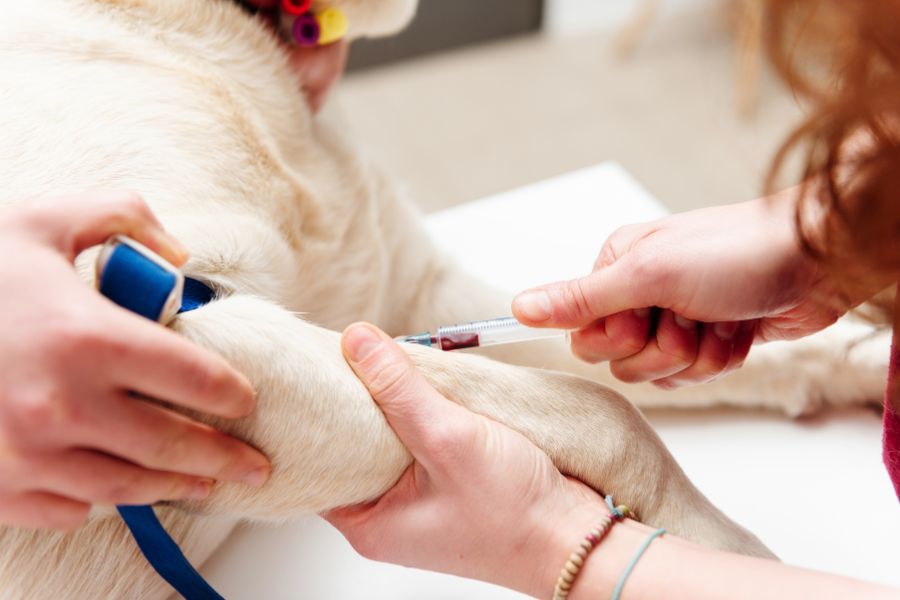
Handing your pet over for surgery can be an emotional moment. Whether it’s a routine spay, a dental procedure, or a more complex operation, most pet parents share the same worry: Will my pet be safe under anesthesia? That concern is completely natural. Our pets are family, and we want to do everything possible to protect them before, during, and after any medical procedure. This is where pre-surgical blood work plays a critical role. While it may seem like an extra step, it’s actually one of the most important safeguards veterinarians use to tailor care to your pet’s unique needs. Understanding why these tests matter can help you feel confident, informed, and prepared when your pet is scheduled for surgery.
What This Means for Your Pet’s Health
Pre-surgical blood testing gives veterinarians a clear picture of how your pet’s body is functioning internally. These tests typically assess liver and kidney function, red and white blood cell counts, blood sugar levels, and electrolyte balance. Even pets that appear perfectly healthy on the outside can have underlying conditions that only show up through lab results.
At a trusted veterinary hospital in East Greenbush, NY, blood work helps the medical team choose the safest anesthesia protocol and identify risks before they become emergencies. For example, if a pet’s liver values are off, anesthesia dosages can be adjusted. If dehydration or infection is detected, surgery may be postponed until your pet is stable. This proactive approach dramatically reduces complications and supports a smoother recovery.
Key Benefits for Local Pet Owners
Pre-surgical blood work offers peace of mind not just for veterinarians, but for pet parents as well. Some of the most important benefits include:
- Improved safety during anesthesia by identifying hidden health issues
- Personalized surgical plans based on your pet’s age, breed, and health status
- Faster recovery times thanks to fewer unexpected complications
- Early detection of chronic conditions that may otherwise go unnoticed
- Confidence and reassurance knowing your pet is receiving thoughtful, preventive care
Animal hospitals and animal clinics that prioritize testing are focused on long-term wellness, not just completing a procedure. This level of attention helps pets live healthier, more comfortable lives.
Practical Tips You Can Use at Home
As a pet owner, there are a few simple steps you can take to support your pet before surgery:
- Share your pet’s full history with your veterinarian, including changes in appetite, energy, or behavior
- Follow fasting instructions carefully, as food in the stomach can increase anesthesia risks
- Keep your pet calm and stress-free the night before surgery
- Ask questions if you don’t understand a recommended test or procedure
While at-home preparation matters, nothing replaces professional evaluation at a veterinary hospital or veterinary hospital setting. Blood work allows medical teams to combine your observations with clinical data for the safest outcome possible.
How Our Veterinary Team Supports the Community
Local veterinary care is about more than medicine; it’s about relationships, trust, and understanding the pets that share our neighborhoods. At East Greenbush Animal Hospital, experienced veterinarians work closely with families to explain each step of the surgical process, including why blood testing is recommended.
Serving as a reliable veterinary hospital, the team collaborates with other animal hospitals and animal clinics when needed, ensuring pets receive comprehensive, coordinated care. From routine screenings to advanced pet surgery, the focus is always on safety, transparency, and compassion. Personalized care plans mean no two pets are treated the same, because no two pets are the same.
Pre-surgical blood work is one of the simplest yet most powerful tools in modern veterinary medicine. It protects your pet, guides your veterinarian’s decisions, and gives you peace of mind during an otherwise stressful time. By identifying risks early, veterinarians can make informed choices that lead to safer surgeries and better recoveries. If your pet has an upcoming procedure or you have questions about surgical readiness, now is the perfect time to take action. Contact today to discuss pre-surgical testing and ensure your pet receives the safest care possible. Proactive steps today can make all the difference for your pet’s tomorrow, especially for families here in East Greenbush, NY.
Frequently Asked Questions
Q1: Is pre-surgical blood work really necessary for young pets?
Ans: Yes, even young pets can have hidden conditions that aren’t visible during a physical exam. Blood work ensures anesthesia and medications are safe for your pet’s individual health profile.
Q2: Will blood tests delay my pet’s surgery?
Ans: In most cases, results are available quickly and do not cause delays. If an issue is found, postponing surgery can actually protect your pet from serious complications.
Q3: Does blood work hurt my pet?
Ans: The test involves a quick blood draw, similar to a routine vaccination. Most pets tolerate it very well with minimal discomfort.
Q4: How often should blood work be done before surgery?
Ans: Typically, blood tests are done within a short window before surgery to ensure results are current. Your veterinarian will advise what’s appropriate based on your pet’s condition.
Q5: Can blood work detect problems unrelated to surgery?
Ans: Yes, these tests can reveal early signs of kidney disease, diabetes, infections, or anemia, allowing for early treatment.
Q6: What happens if abnormal results are found?
Ans: Your veterinarian will explain the findings and adjust the care plan. This may include additional tests, treatment, or rescheduling surgery until your pet is stable.
 I have a GSD who isn't always her best self at the vet. She goes every 6 to 8 weeks for allergy shots so it is hard to create a positive association. My GSD has been going here since she was a puppy, and the staff are wonderful. At our last visit I learned that they actually put a note on my girl's file that she "does best receiving her treatments in the chair with mom holding her head." That made me happy to know that they wrote a note to ensure the visit doesn't create more stress for my dog.
