 Big Red Doghouse
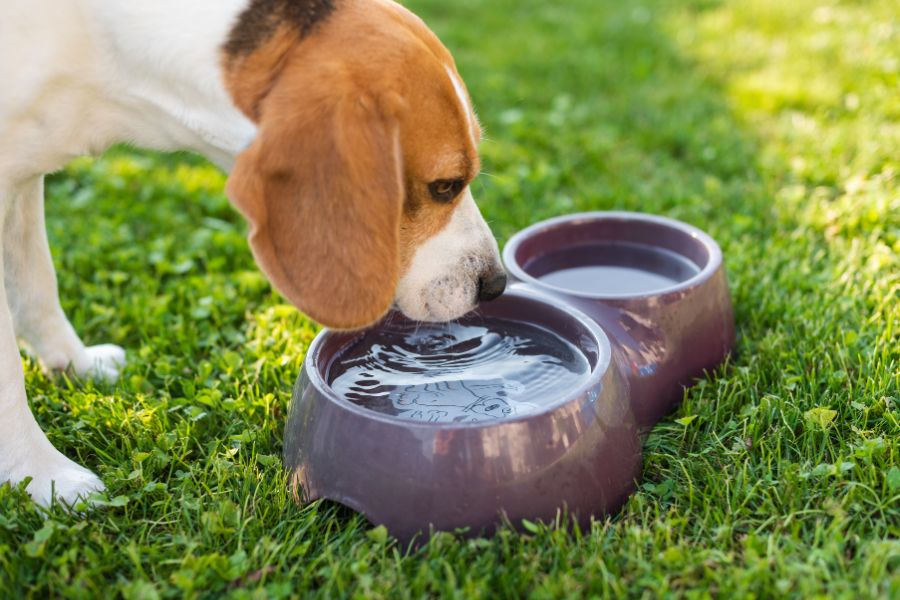
Every pet parent wants their dog or cat to live a long, comfortable, and healthy life. While nutrition and exercise get plenty of attention, hydration is often overlooked until a problem arises. Water plays a role in nearly every function of your pet’s body, from digestion to temperature regulation and organ health. Yet many dogs and cats don’t drink enough on their own, especially during seasonal changes or as they age. Understanding how much water your pet truly needs can help you prevent avoidable health issues and recognize early warning signs before they become serious.
What This Means for Your Pet’s Health
Proper hydration is essential for keeping your pet’s body functioning optimally. Water supports kidney function, helps flush toxins, cushions joints, regulates body temperature, and aids in the absorption of nutrients. Even mild dehydration can have noticeable effects, leading to lethargy, digestive upset, urinary issues, and a general decline in energy or well-being. Over time, insufficient hydration can exacerbate chronic health problems, making early attention crucial.
As a general guideline, dogs typically need about one ounce of water per pound of body weight each day, while cats often require less visible intake due to their natural ability to conserve water. However, individual needs vary widely depending on diet, activity level, climate, and underlying medical conditions. Pets that primarily eat dry kibble usually need to drink more water than those on wet or canned diets, which already contain a significant amount of moisture.
This is where guidance from an animal hospital in East Greenbush, NY, becomes invaluable. Veterinary teams routinely identify subtle signs of dehydration, sometimes before pet owners even notice, allowing them to address issues early and prevent complications. Regular monitoring, dietary adjustments, and proper hydration strategies can make a significant difference in managing chronic conditions and supporting your pet’s overall health and comfort.
Benefits for Pet Owners
Staying mindful of hydration offers clear advantages for both pets and their families:
- Disease prevention: Adequate water intake reduces the risk of kidney disease, bladder stones, and constipation.
- Improved comfort: Well-hydrated pets have better joint lubrication and energy levels.
- Long-term wellness: Hydration supports heart health, digestion, and immune function over time.
- Peace of mind: Knowing what’s normal for your pet helps you act quickly if habits change.
Local animal clinics and animal hospitals often emphasize hydration because it’s one of the simplest yet most effective ways to support preventive care.
Practical Tips You Can Use at Home
Helping your pet drink enough water doesn’t have to be complicated. Small changes can make a big difference.
- Refresh water bowls daily: Clean bowls encourage pets to drink more.
- Offer multiple water stations: This is especially helpful in multi-level homes or for senior pets.
- Consider water fountains: Many cats prefer running water, which can significantly increase intake.
- Add moisture to meals: Mixing water or low-sodium broth into food can boost hydration.
- Watch for warning signs: Dry gums, sunken eyes, or decreased appetite warrant attention from a veterinarian hospital.
If your pet suddenly drinks much more or much less than usual, it’s time to consult a professional. These changes can signal underlying health issues that require medical evaluation.
How Our Veterinary Team Supports the Community
Hydration needs aren’t one-size-fits-all. At East Greenbush Animal Hospital, experienced veterinarians take a personalized approach, considering your pet’s age, lifestyle, and medical history. Routine exams at trusted animal clinics allow early detection of dehydration-related concerns before they escalate. As a community-focused animal hospital, the team works closely with families to give promising veterinary services, whether that involves dietary adjustments, fluid therapy, or ongoing monitoring for chronic conditions. Collaboration between pet owners and veterinary professionals is key to maintaining lifelong wellness.
Water is more than a basic necessity; it’s a true cornerstone of your pet’s health. Proper hydration supports every system in the body, from digestion and kidney function to joint health and energy levels. By understanding your dog or cat’s daily hydration needs and staying alert to subtle changes in drinking habits, you can help prevent discomfort, illness, and complications before they arise. Partnering with a trusted animal hospital ensures you have expert guidance and support every step of the way, giving your pet the best chance to stay healthy, happy, and active for years to come. If you have questions about your pet’s water intake or overall wellness, now is the perfect time to act. Request an appointment today to give your pet the attentive, preventive care they deserve and enjoy greater confidence in their health journey here in East Greenbush, NY.
FAQs
Q1: How can I tell if my pet is dehydrated?
Ans: Common signs include dry gums, reduced skin elasticity, lethargy, and decreased appetite. A veterinarian can confirm dehydration with a physical exam.
Q2: Do cats really need less water than dogs?
Ans: Cats often drink less visibly, but they still require adequate hydration. Wet food and fountains can help meet their needs.
Q3: Is it normal for my dog to drink more in summer?
Ans: Yes, warmer weather and increased activity raise water requirements. Sudden or extreme changes, however, should be checked by a professional.
Q4: Can dehydration cause urinary problems?
Ans: Absolutely, low water intake can concentrate urine, increasing the risk of infections and stones.
Q5: Should senior pets drink more water?
Ans: Senior pets may need closer monitoring. Some conditions increase thirst, while others reduce interest in drinking.
Q6: When should I visit a veterinarian’s hospital about hydration?
Ans: If your pet shows persistent changes in drinking habits or signs of dehydration, schedule a visit promptly for proper evaluation and care.
 I have a GSD who isn't always her best self at the vet. She goes every 6 to 8 weeks for allergy shots so it is hard to create a positive association. My GSD has been going here since she was a puppy, and the staff are wonderful. At our last visit I learned that they actually put a note on my girl's file that she "does best receiving her treatments in the chair with mom holding her head." That made me happy to know that they wrote a note to ensure the visit doesn't create more stress for my dog.
