 Big Red Doghouse
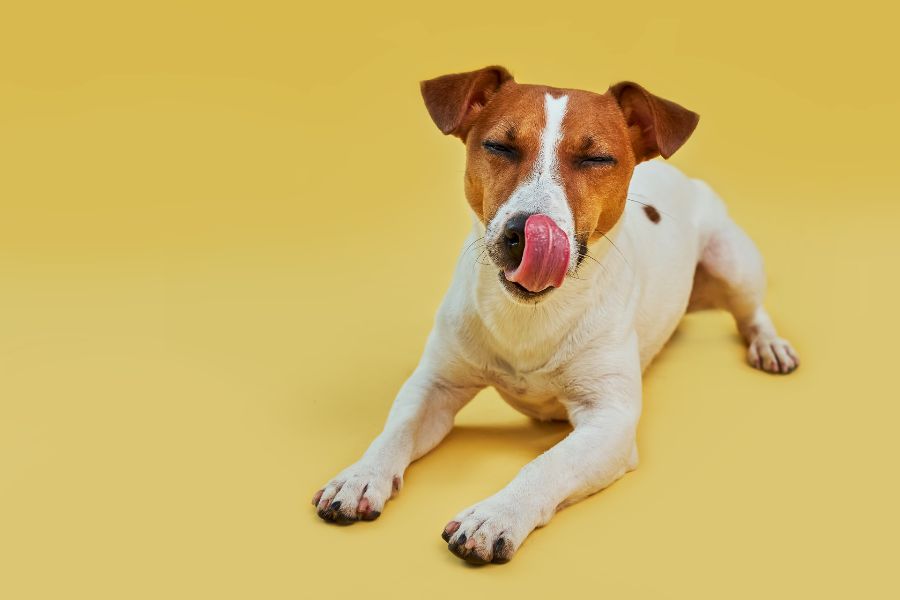
Licking is a common behavior in both dogs and cats, but how much is too much? Many pet owners wonder whether grooming habits are normal or if constant licking signals a deeper issue. In this guide, our vet insights explain the difference between healthy licking and concerning behavior, common causes, warning signs, and when to seek professional care.
If your dog or cat seems to lick nonstop, focusing on the paws, belly, skin, or furniture, it may be more than a habit. Understanding the reason behind the behavior can help protect your pet’s comfort, skin health, and emotional well-being.
Why Dogs and Cats Lick in the First Place
Licking serves several natural purposes for pets. It is often part of everyday communication, self-care, and comfort.
Common Normal Reasons for Licking
- Grooming: Cats groom frequently to keep their coat clean. Dogs may lick themselves to remove dirt or debris.
- Affection: Dogs often lick their owners as a social bonding behavior.
- Exploration: Pets use taste and scent to learn about their environment.
- Comfort: Some pets lick to relax when settling down.
- Healing instinct: Animals may lick minor irritations or small wounds.
Occasional licking is usually nothing to worry about when your pet appears comfortable and healthy.
What Counts as Normal Licking
Normal licking is usually brief, occasional, and easy to interrupt. It does not cause skin damage or interfere with daily life.
Signs of Healthy Licking Behavior
- Grooming after meals or outdoor play
- Brief paw cleaning after walks
- Cat grooming sessions followed by resting
- Short affectionate licking toward family members
- No redness, sores, or hair loss
A vet would typically consider this part of normal behavior unless other symptoms appear.
When Licking Becomes Excessive
Excessive licking is repetitive, intense, or causes harm. It often points to discomfort, stress, or a medical condition.
Warning Signs to Watch For
- Licking one spot over and over
- Waking up to lick during the night
- Red, moist, or irritated skin
- Hair loss or bald patches
- Limping or chewing paws
- Constant licking of floors or furniture
- Difficulty stopping even when distracted
- Increased anxiety or restlessness
If you notice these signs, a vet exam is a smart next step.
Medical Reasons for Excessive Licking
Many pets lick because something feels itchy, painful, or irritating.
1. Allergies
Environmental allergies, food sensitivities, or flea allergies commonly trigger licking, especially on paws, belly, and legs.
2. Skin Infections
Bacterial or yeast infections can make skin itchy, greasy, or smelly.
3. Parasites
Fleas, mites, and ticks can lead to nonstop scratching and licking.
4. Pain
Arthritis, injuries, dental pain, or internal discomfort may cause licking near the painful area.
5. Digestive Upset
Some dogs lick floors, their lips, or other surfaces when nauseous or experiencing stomach issues.
A vet can help identify the exact cause through an exam and testing.
Behavioral Causes of Excessive Licking
Not all licking starts with a physical problem. Emotional stress can also play a major role.
Common Behavioral Triggers
- Boredom from lack of activity
- Separation anxiety
- Changes in routine
- New pets or family members
- Loud noises or stressful environments
- Compulsive habits developed over time
For example, a dog left alone for long hours may begin licking paws daily as a coping behavior.
Dogs vs Cats: How Licking Differs
Dogs and cats lick in different ways.
Dogs
Dogs are more likely to lick people, paws, furniture, floors, and wounds. They may also use licking to seek attention.
Cats
Cats naturally groom more than dogs. However, overgrooming in cats often appears as thinning hair, bald spots, or hidden licking when owners are not watching.
A vet often sees cats with stress-related overgrooming, especially after household changes.
What You Can Do at Home
If licking is mild and recent, a few simple steps may help.
Helpful Home Strategies
- Check paws for burrs, cuts, or debris.
- Use regular flea prevention.
- Increase exercise and playtime.
- Add puzzle feeders or enrichment toys.
- Keep routines consistent.
- Prevent access to known irritants.
- Monitor when licking happens.
Never use human creams or medications without veterinary guidance.
When to See a Vet Right Away
Some cases need prompt attention.
Call a Vet If Your Pet Has:
- Bleeding or open sores
- Sudden nonstop licking
- Swelling or limping
- Vomiting with licking behavior
- Strong odor from skin or ears
- Rapid hair loss
- Signs of pain
- Major behavior changes
Early treatment can prevent infections and worsening discomfort.
How a Vet Diagnoses Excessive Licking
During the visit, your vet may evaluate:
- Skin and coat condition
- Parasites or flea evidence
- Joint pain or injuries
- Diet history
- Stress triggers
- Ear health
- Allergy patterns
Tests may include skin samples, bloodwork, food trials, or imaging, depending on symptoms.
Treatment Options That May Help
Treatment depends on the cause.
Possible Solutions Include:
- Allergy management plans
- Flea control
- Infection treatment
- Pain relief
- Anxiety support
- Behavior modification
- Diet changes
- Enrichment routines
Many pets improve quickly once the underlying problem is addressed.
Normal licking is a routine part of life for dogs and cats, but excessive licking can be a sign of itchiness, pain, stress, or illness. Watch for patterns such as repeated licking, skin damage, or changes in behavior. Getting answers early can make your pet more comfortable and prevent bigger health issues later. If your pet is licking excessively, schedule an appointment with East Greenbush Animal Hospital in East Greenbush, NY, for trusted care and guidance.
FAQs
Q1: How do I know if my dog’s licking is normal or excessive?
Ans: If licking is brief, occasional, and causes no skin damage, it is usually normal. Frequent, repetitive licking or irritation should be checked by a vet.
Q2: Why is my cat licking bald spots?
Ans: Cats may overgroom due to allergies, pain, parasites, or stress. A vet exam can help find the cause.
Q3: Can anxiety cause pets to lick too much?
Ans: Yes, stress and anxiety commonly lead to repetitive licking in both dogs and cats, especially during routine changes.
Q4: Should I stop my pet from licking wounds?
Ans: Some licking can worsen wounds and delay healing. A vet may recommend protective collars or treatment.
Q5: Why does my dog keep licking paws at night?
Ans: Nighttime paw licking often relates to allergies, irritation, or boredom. Persistent licking should be evaluated by a vet.
 I have a GSD who isn't always her best self at the vet. She goes every 6 to 8 weeks for allergy shots so it is hard to create a positive association. My GSD has been going here since she was a puppy, and the staff are wonderful. At our last visit I learned that they actually put a note on my girl's file that she "does best receiving her treatments in the chair with mom holding her head." That made me happy to know that they wrote a note to ensure the visit doesn't create more stress for my dog.
