 Big Red Doghouse
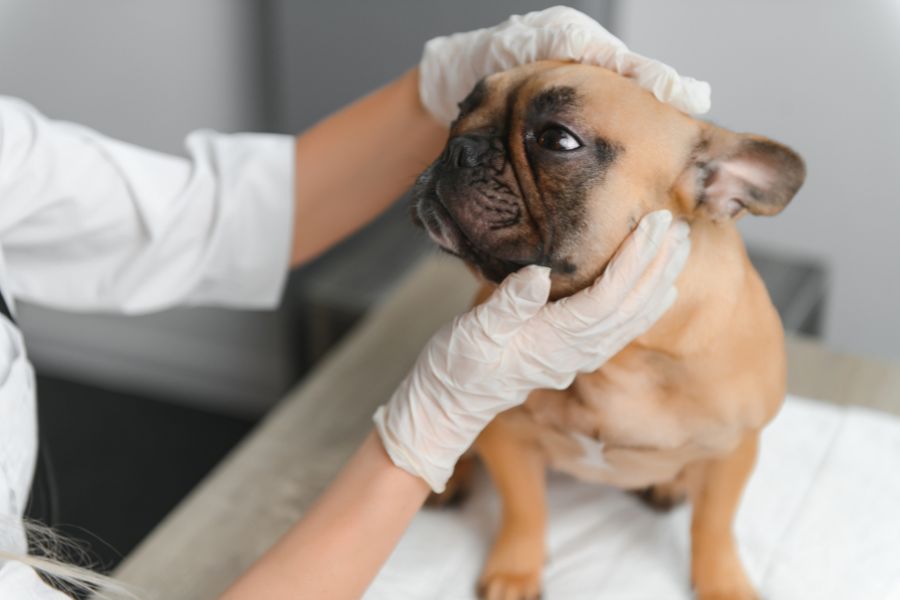
If your dog suddenly develops a dry, hacking cough, it could be more than a minor irritation. Kennel cough is a common respiratory infection in dogs that spreads quickly, especially in social environments like boarding facilities, dog parks, and grooming salons.
In this guide, we will explain kennel cough symptoms, when to worry, how it spreads, treatment options, and when you should visit the vet. Understanding early warning signs helps protect your dog and prevent complications.
What Is Kennel Cough in Dogs?
Kennel cough is a contagious respiratory infection that affects a dog’s throat and upper airway. The condition is also called canine infectious respiratory disease complex (CIRDC). It is commonly caused by bacteria, viruses, or a combination of both.
The most common causes include:
- Bordetella bronchiseptica bacteria
- Canine parainfluenza virus
- Canine adenovirus
- Canine influenza virus
Dogs often develop kennel cough after being in places where many dogs gather, such as:
- Boarding kennels
- Dog daycare facilities
- Grooming salons
- Dog parks
- Training classes
- Animal shelters
The infection spreads through airborne droplets, shared water bowls, and direct contact.
Common Kennel Cough Symptoms in Dogs
The most noticeable symptom of kennel cough is a persistent cough. However, there are several other signs to watch for.
1. Dry, Hacking Cough
This is the most recognizable symptom. Many owners describe it as a honking sound, similar to a goose. The cough often becomes worse after excitement or exercise.
2. Gagging or Retching
Dogs with kennel cough may appear as if they are trying to vomit, but nothing comes out. This can happen after coughing fits.
3. Runny Nose
Some dogs develop mild nasal discharge. This may be clear or slightly cloudy.
4. Sneezing
Sneezing can accompany kennel cough, especially in mild cases.
5. Mild Fever
Some dogs may develop a low-grade fever, though not all cases include fever.
6. Lethargy
While many dogs remain active, some may appear slightly tired or less energetic.
7. Loss of Appetite
Dogs with moderate symptoms may eat less than usual.
Mild vs Severe Kennel Cough Symptoms
Understanding the difference between mild and severe kennel cough symptoms helps you decide when to seek veterinary care.
Mild Symptoms
Most dogs with kennel cough experience mild symptoms such as:
- Occasional dry cough
- Normal energy levels
- Normal appetite
- No breathing difficulty
Mild cases often improve within one to three weeks.
Severe Symptoms
More serious symptoms require immediate veterinary care:
- Persistent coughing that worsens
- Difficulty breathing
- High fever
- Thick nasal discharge
- Loss of appetite
- Extreme lethargy
- Blue or pale gums
Severe cases can lead to pneumonia, especially in puppies, senior dogs, or dogs with weakened immune systems.
How Long Does Kennel Cough Last?
Most kennel cough cases last about 7 to 14 days. However, some dogs may continue coughing for up to three weeks.
Factors that affect recovery time include:
- The dog’s age
- Overall health
- Severity of infection
- Whether secondary infections develop
Even after symptoms improve, dogs may remain contagious for several days. It is best to limit contact with other dogs during recovery.
When Should You Visit the Vet for Kennel Cough?
Not every cough requires a vet visit, but certain situations should never be ignored.
Visit the Vet If Your Dog Has:
- Cough lasting longer than one week
- Fever
- Loss of appetite
- Lethargy
- Thick nasal discharge
- Breathing difficulty
- A cough that worsens over time
You should also visit the vet immediately if your dog is:
- A puppy
- A senior dog
- Pregnant
- Has a weakened immune system
- Has underlying health conditions
Early treatment helps prevent complications and speeds recovery.
How Kennel Cough Is Diagnosed
Veterinarians typically diagnose kennel cough based on symptoms and recent exposure to other dogs. In most cases, advanced testing is not necessary.
However, your vet may recommend additional tests if symptoms are severe:
- Chest X-rays
- Blood tests
- Respiratory swabs
- Lab testing for viruses or bacteria
These tests help rule out pneumonia or other respiratory illnesses.
Treatment Options for Kennel Cough
Treatment depends on the severity of your dog’s symptoms.
Mild Cases
Mild kennel cough often improves with simple care:
- Rest
- Hydration
- Limited activity
- Avoiding irritants like smoke
Your vet may recommend:
- Cough suppressants
- Anti-inflammatory medication
Moderate to Severe Cases
Dogs with more serious symptoms may require:
- Antibiotics
- Anti-inflammatory medication
- Cough suppressants
- Nebulization therapy
- Fluid therapy
Following your vet’s instructions helps ensure a smooth recovery.
Home Care Tips for Dogs with Kennel Cough
You can help your dog recover faster with proper home care.
Helpful Home Care Tips
- Use a humidifier to soothe airways
- Switch from collar to harness to reduce throat pressure
- Keep your dog hydrated
- Limit exercise during recovery
- Avoid dog parks and boarding facilities
These simple steps can reduce irritation and improve comfort.
Is Kennel Cough Contagious?
Yes, kennel cough is highly contagious among dogs. It spreads quickly in environments where dogs interact closely.
To prevent spreading:
- Keep infected dogs isolated
- Avoid shared toys and bowls
- Wash your hands after handling dogs
- Clean bedding and surfaces
Isolation typically lasts 10 to 14 days.
Can Kennel Cough Be Prevented?
Vaccination helps reduce the risk of kennel cough. While vaccines do not prevent every case, they can reduce severity.
Common prevention methods include:
- Bordetella vaccination
- Avoiding crowded dog areas during outbreaks
- Maintaining strong immune health
- Keeping vaccinations up to date
Dogs that frequently socialize benefit most from vaccination.
Which Dogs Are Most at Risk?
Some dogs are more likely to develop severe kennel cough.
Higher risk dogs include:
- Puppies
- Senior dogs
- Dogs with heart disease
- Dogs with respiratory issues
- Dogs with weakened immune systems
These dogs should receive prompt veterinary care if symptoms appear.
Can Humans Catch Kennel Cough?
Kennel cough rarely spreads to humans. Most healthy people are not at risk. However, individuals with weakened immune systems should practice caution and hygiene.
Kennel cough is a common respiratory infection that often causes a dry, persistent cough in dogs. While many cases are mild, it is important to monitor symptoms closely and seek veterinary care if they worsen from a trusted animal hospital. Early treatment prevents complications and helps your dog recover faster.
If your dog shows signs of kennel cough, contact East Greenbush Animal Hospital in East Greenbush, NY to schedule an appointment and ensure your pet receives proper care.
FAQs
Q1. What are the first signs of kennel cough in dogs?
Ans: The first signs of kennel cough usually include a dry, hacking cough, mild sneezing, and occasional gagging.
Q2. Can kennel cough go away on its own?
Ans: Yes, mild kennel cough cases often resolve within one to three weeks, but severe symptoms require veterinary care.
Q3. How contagious is kennel cough?
Ans: Kennel cough is highly contagious and spreads through airborne droplets and direct contact between dogs.
Q4. Should I isolate my dog with kennel cough?
Ans: Yes, isolating your dog for 10 to 14 days helps prevent spreading the infection to other dogs.
Q5. Do dogs need antibiotics for kennel cough?
Ans: Not always. Mild cases may not require antibiotics, but moderate or severe infections may need medication prescribed by a veterinarian.
 I have a GSD who isn't always her best self at the vet. She goes every 6 to 8 weeks for allergy shots so it is hard to create a positive association. My GSD has been going here since she was a puppy, and the staff are wonderful. At our last visit I learned that they actually put a note on my girl's file that she "does best receiving her treatments in the chair with mom holding her head." That made me happy to know that they wrote a note to ensure the visit doesn't create more stress for my dog.
