 Big Red Doghouse
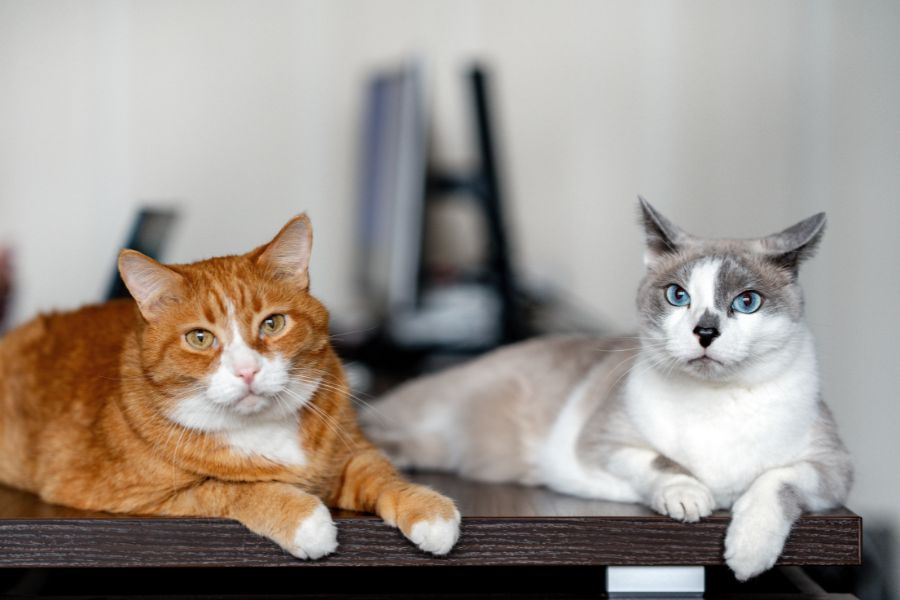
Kidneys play a vital role in keeping your dog or cat’s body healthy by removing waste, balancing fluids, and supporting important body functions. When kidney problems develop, the changes can happen slowly and may be difficult to notice at first. Many pets continue their normal routines while early signs are quietly developing. Understanding kidney disease in pets helps owners recognize warning signs and seek veterinary care sooner. This guide explains common symptoms, causes, diagnosis, and treatment options to help you support your pet’s long-term health.
What Are the Early Signs of Kidney Disease in Pets
Kidney disease in pets occurs when the kidneys are no longer able to perform their normal functions effectively. Early signs can be subtle, which is why regular veterinary care and close observation at home are important.
Common warning signs include:
- Increased thirst.
- More frequent urination.
- Changes in appetite.
- Weight loss.
- Low energy.
- Vomiting.
- Bad breath.
- Poor coat quality.
- Dehydration.
- Changes in bathroom habits.
One of the earliest signs many owners notice is increased drinking and urination. However, these changes can also be linked to other health problems, so a veterinary examination is needed to determine the cause. Cats may hide illness especially well, making small changes in behavior or routine even more important to notice. Dogs may show changes such as reduced interest in activities, decreased appetite, or gradual weight loss. Early preventive care gives your veterinarian more opportunities to manage the condition and support your pet’s comfort.
What Causes Kidney Disease in Dogs and Cats?
Kidney disease can develop for different reasons. Some pets experience gradual changes as they age, while others may develop kidney problems because of another health issue.
Possible causes include:
- Age related kidney changes.
- Infections.
- Certain medications or toxins.
- Urinary problems.
- Underlying health conditions.
- Genetic factors.
In some cases, the exact cause cannot be identified.
Kidney problems may be temporary or long lasting depending on the situation. This is why a complete veterinary evaluation is important when symptoms appear.
Senior pets are often monitored more closely because kidney function can naturally change over time.
How Do Veterinarians Diagnose Kidney Disease
A veterinarian uses several pieces of information to understand how well your pet’s kidneys are working.
The process usually begins with a physical examination and discussion about changes you have noticed at home.
Diagnostic evaluation may include:
- Blood work.
- Urinalysis.
- Blood pressure measurement.
- Imaging when needed.
- Review of medical history.
Blood tests can provide information about kidney function, while urine testing helps evaluate how well the kidneys concentrate urine.
Regular testing is especially valuable for older pets because it allows veterinarians to compare results over time.
A single symptom rarely tells the full story. Combining examination findings with diagnostic results provides a clearer picture of your pet’s health.
How Is Kidney Disease in Pets Treated and Managed
Treatment depends on the severity of kidney changes and your pet’s overall condition.
Your veterinarian creates a care plan based on your pet’s specific needs.
Management may include:
- Dietary recommendations.
- Fluid support.
- Medications.
- Monitoring kidney values.
- Follow up examinations.
- Supportive care.
The goal of treatment is often to slow progression, maintain hydration, manage symptoms, and help your pet stay comfortable.
Many pets with kidney disease continue to enjoy a good quality of life with proper monitoring and ongoing care.
A realistic example
Imagine Luna, a twelve-year-old cat, begins drinking more water than usual and occasionally skips meals. Her owner assumes she is simply becoming a picky eater but schedules a veterinary appointment after noticing the changes continue.
During Luna’s examination and testing, early kidney changes were identified. Her care plan is adjusted, and her family receives guidance on monitoring her appetite, hydration, and daily habits. Although this is a hypothetical example, it shows why noticing small changes early can help pets receive care before problems become more advanced.
What Pet Owners Can Do at Home
Supporting a pet with kidney concerns starts with careful observation and consistent daily care. Your veterinarian relies on the changes you notice at home because small details can provide important information about your pet’s health.
Keep track of changes such as:
- How much water your pet drinks.
- How often your pet urinates.
- Changes in appetite.
- Weight changes.
- Energy levels.
- Vomiting or digestive issues.
- Changes in behavior.
Simple habits can also help support your pet’s comfort.
You can help by:
- Keeping fresh water available at all times.
- Following your veterinarian’s feeding recommendations.
- Giving medications exactly as directed.
- Maintaining regular follow up visits.
- Providing a comfortable resting area.
- Monitoring your pet’s daily routine.
Avoid making major diet changes or adding supplements without discussing them with your veterinarian first. Some products may not be appropriate for pets with kidney concerns.
It is also important to avoid assuming that increased thirst or urination is a normal part of aging. These changes can be signs of an underlying health issue that deserves attention.
When to See a Vet for Kidney Disease Symptoms
Schedule a veterinary appointment if you notice ongoing changes in your pet’s drinking, urination, appetite, or behavior.
Contact your veterinarian if your pet:
- Drinks much more water than usual.
- Urinates more frequently.
- Loses weight without explanation.
- Stops eating normally.
- Vomits repeatedly.
- Seems unusually tired.
- Has worsening bad breath.
- Becomes dehydrated.
Seek urgent veterinary care if your pet:
- Cannot keep food or water down.
- Becomes extremely weak.
- Collapses.
- Shows severe changes in behavior.
- Has sudden worsening symptoms.
Kidney problems can progress differently from one pet to another. Some pets show gradual changes, while others may become ill more quickly.
Early evaluation allows your veterinarian to determine what is happening and create a plan focused on your pet’s comfort and health.
Conclusion
Recognizing the early signs of kidney disease in pets can help you take action before small changes become more serious health concerns. Increased thirst, frequent urination, appetite changes, weight loss, vomiting, and low energy should never be ignored, especially in senior pets. Regular veterinary visits and monitoring at home can help identify kidney problems earlier and support better long term care.
At East Greenbush Animal Hospital in East Greenbush, NY, we understand how concerning it can be when your pet’s habits begin to change. If your dog or cat shows signs that may point to kidney problems, our team is here to provide an evaluation, discuss treatment options, and help you make informed decisions for your pet’s well-being.
FAQs
Q1: What are the first signs of kidney disease in pets?
A: Early signs may include increased thirst, more frequent urination, changes in appetite, weight loss, low energy, vomiting, and changes in coat condition. Because these signs can also occur with other illnesses, a veterinary examination is important.
Q2: Can dogs and cats live with kidney disease?
A: Many pets with kidney disease can continue to have a good quality of life with proper management and regular veterinary care. Treatment focuses on supporting kidney function, managing symptoms, and maintaining comfort.
Q3: How is kidney disease diagnosed in pets?
A: Veterinarians typically use a combination of physical examination, blood work, urine testing, and other evaluations when needed. These tests help determine how well the kidneys are functioning and guide treatment decisions.
Q4: What causes kidney disease in dogs and cats?
A: Kidney disease may develop due to age related changes, underlying health conditions, infections, urinary problems, toxin exposure, or other factors. Sometimes the exact cause cannot be determined.
Q5: When should I take my pet to the vet for possible kidney problems?
A: Schedule a veterinary visit if your pet has increased thirst, frequent urination, weight loss, appetite changes, vomiting, or unusual tiredness. Seek urgent care if your pet becomes extremely weak, collapses, or cannot keep food or water down.
 I have a GSD who isn't always her best self at the vet. She goes every 6 to 8 weeks for allergy shots so it is hard to create a positive association. My GSD has been going here since she was a puppy, and the staff are wonderful. At our last visit I learned that they actually put a note on my girl's file that she "does best receiving her treatments in the chair with mom holding her head." That made me happy to know that they wrote a note to ensure the visit doesn't create more stress for my dog.
