 Big Red Doghouse
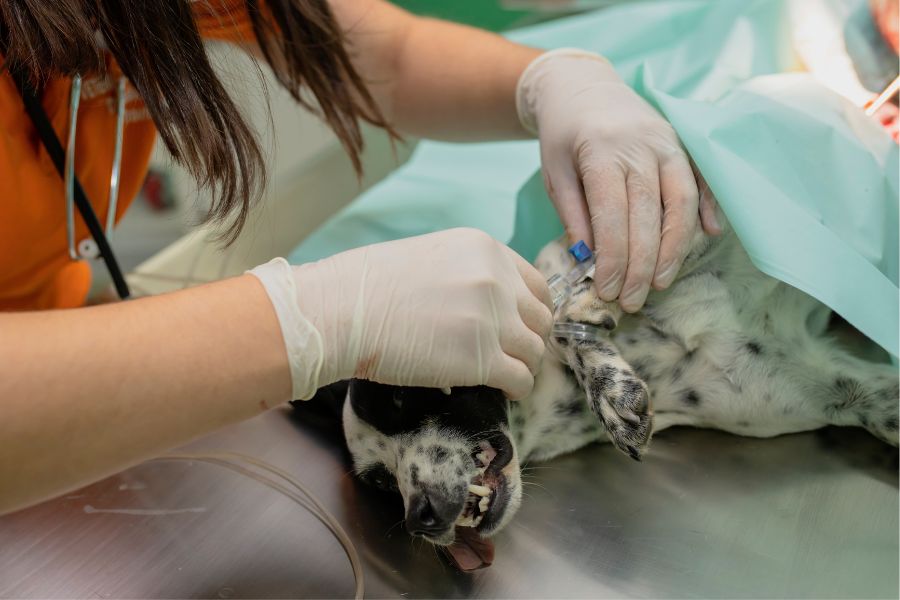
As pet owners, we do everything we can to safeguard our pets’ well-being. A heart murmur in pets is an abnormal sound caused by irregular blood flow, typically due to heart valve issues or structural abnormalities. While some murmurs are harmless, others may indicate severe heart conditions. Early diagnosis and regular check-ups are essential for managing your pet’s heart health. Understanding and addressing heart murmurs can help prevent complications and ensure a long, healthy life.
What is a Heart Murmur in Pets?
A cardiac murmur is an abnormal sound created by turbulent blood flow within the heart. When your pet’s heart pumps blood, it usually sounds smooth. However, if there is a problem, such as a heart valve issue or a structural heart abnormality, blood flow becomes erratic, resulting in a murmur.
Heart murmurs are graded by intensity, with grade 1 being the mildest and grade 6 the most severe. These murmurs can occur in both dogs and cats and may be harmless or suggest a serious heart problem. Many pet owners wrongly believe that all heart murmurs are severe, but this is not always the case. In reality, some murmurs are harmless and require no therapy.
Diagnosing Heart Murmurs in Your Pets
Pets’ heart murmurs can occur in younger pets due to congenital anomalies, such as faulty heart valves or heart chamber abnormalities. Heart murmurs in elderly pets are frequently related to ageing, as the heart’s structure begins to deteriorate, leading to the development of illnesses such as mitral valve disease or heart failure.
A cardiac murmur is often diagnosed during a physical exam by a veterinarian using a stethoscope to listen to your pet’s heart and detect any abnormal sounds. If there is a murmur, additional diagnostic testing, such as echocardiography or X-rays, may be required to determine its degree and cause.
Preventing Issues and Improving Your Pet’s Heart Health
1. Regular Vet Check-Ups
Routine check-ups are crucial for identifying heart issues before they become more serious. If your pet is older, more frequent vet visits may be necessary to monitor their heart health.
2. Healthy Diet and Exercise
Feeding your pet a balanced diet and ensuring they get enough exercise helps support overall heart health. Regular activity can improve circulation and maintain a healthy weight, both of which are important for keeping the heart in good condition.
3. Manage Stress and Anxiety
Stress can negatively affect your pet’s heart health. Creating a calm and secure environment for your pet can reduce anxiety and prevent unnecessary strain on their heart.
4. Monitor Symptoms and Report Changes
It’s essential to monitor any changes in their behavior or symptoms, such as coughing, lethargy, difficulty breathing, or fainting, and report them to your vet immediately.
5. Medication and Treatment
If the heart murmur is associated with a more serious condition, your nearest veterinarian at East Greenbush Animal Hospital may prescribe medications to manage the symptoms or prevent complications.
Hidden Consequences of Ignoring Heart Murmurs in Pets
If a heart murmur is not treated, it may lead to heart failure, in which the heart is unable to pump blood, leading to the buildup of fluid in the lungs or abdomen. This can lead to difficulty breathing and even organ damage.
Along with health concerns, it can also decrease your pet’s quality of life. They might be much less active, have difficulty making regular movements, or face other complications that necessitate more invasive treatment later.
Steps to Avoid Negative Outcomes
- Get Early Diagnosis: Early detection is key to managing heart murmurs. Have your pet evaluated regularly by your vet to monitor heart health.
- Follow Vet Recommendations: If your vet suggests additional tests or medication, follow through with their recommendations to manage the condition.
- Stay Alert for Changes: Any signs of worsening symptoms, such as rapid breathing or lethargy, should be reported to your vet immediately.
Take Action for Your Pet’s Heart Health
Understanding pets’ heart murmurs and the potential risks they pose is vital to keeping your furry friend healthy. Regular check-ups with the vet, proper nutrition, and stress avoidance can go a long way in preventing serious heart problems. If your pet is showing signs of a murmur, don’t wait-take action by schedule a visit to the vet and giving your pet the care they need for a long, healthy life.
 I have a GSD who isn't always her best self at the vet. She goes every 6 to 8 weeks for allergy shots so it is hard to create a positive association. My GSD has been going here since she was a puppy, and the staff are wonderful. At our last visit I learned that they actually put a note on my girl's file that she "does best receiving her treatments in the chair with mom holding her head." That made me happy to know that they wrote a note to ensure the visit doesn't create more stress for my dog.
