 Big Red Doghouse
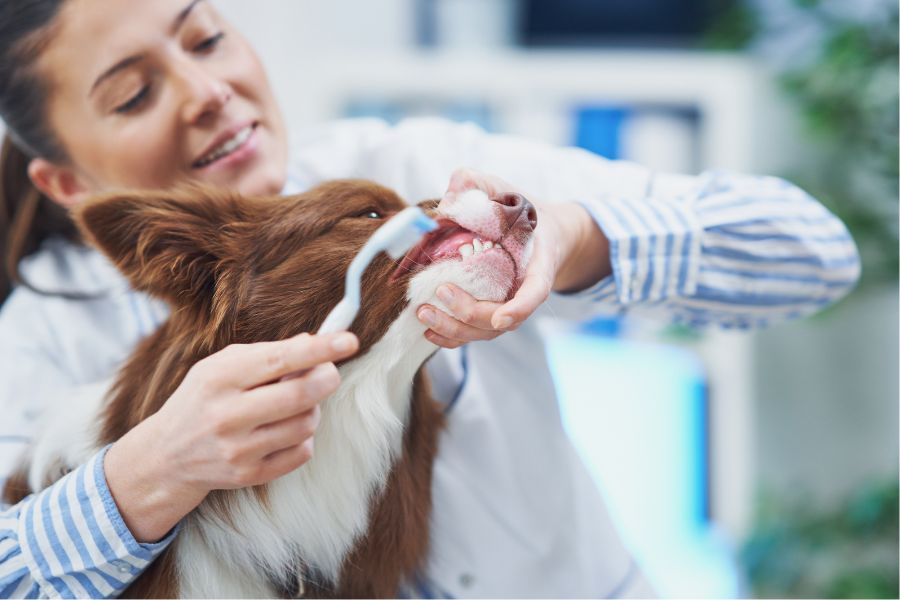
Brushing dog teeth is one of the simplest and most effective ways to protect your pet from dental disease, bad breath, and painful infections. In this vet-approved guide, you’ll learn how often to brush your dog’s teeth, how to create a sustainable dog teeth cleaning routine, and which tools help keep canine oral hygiene at its best. We’ll also cover common signs of dental problems, practical brushing tips, and what to do if your dog won’t tolerate brushing.
How Often Should You Brush Your Dog’s Teeth?
Most veterinarians recommend brushing your dog’s teeth daily. Daily brushing prevents plaque from hardening into tartar, reduces oral bacteria, and keeps gums healthy. If daily brushing isn’t possible, aim for at least 3–4 times per week, which still provides significant protection against dental disease.
Dogs can develop plaque within 24–48 hours, which is why consistency matters more than perfection. Small breeds, flat-faced breeds, and older dogs may need even more frequent brushing because they’re at higher risk for gum disease.
Why Regular Dog Dental Care Matters
Daily dog dental care is more than just preventing bad breath—it’s essential for your pet’s long-term health. Untreated dental disease can lead to:
- Painful gum infections
- Tooth loss
- Jawbone damage
- Heart, liver, or kidney complications from oral bacteria
Because 80% of dogs show signs of dental disease by age three, maintaining canine oral hygiene is one of the most important habits pet owners can develop.
Benefits of a Consistent Routine
- Reduces the need for frequent professional cleanings
- Prevents tartar buildup
- Improves breath
- Helps detect issues early
- Keeps dogs more comfortable as they age
What You Need for a Safe and Effective Brushing Routine
Choosing the right tools makes brushing easier and more effective. Here are the essentials:
1. Dog-Specific Toothpaste
Never use human toothpaste. Choose enzymatic formulas made specifically for dogs.
2. Best Dog Toothbrush Options
- Dual-ended toothbrushes for different mouth sizes
- Finger brush for beginners or small breeds
- Soft-bristled brushes designed for sensitive gums
3. Comfortable Positioning
Sit somewhere calm and quiet. For anxious dogs, start with slow, non-brushing sessions so they learn to trust the process.
How to Brush Your Dog’s Teeth Step-by-Step
Follow this simple brushing sequence to make the routine stress-free and effective:
Step 1: Start With Familiarization
Let your dog smell the toothbrush and taste the toothpaste. Offer praise or treats to create positive associations.
Step 2: Lift the Lips Gently
Begin with the outer surfaces of the teeth. Most plaque collects on the cheek-facing surfaces, so focus here first.
Step 3: Use Circular Motions
Brush using small circles along the gumline. Don’t rush—short and gentle brushing is better than forcing a full session.
Step 4: Extend to Back Teeth
The molars and premolars collect the most tartar, so they’re important for effective tartar removal for dogs.
Step 5: Keep Sessions Short
Aim for 30–60 seconds at first. Over time, work up to 2 minutes total.
How to Build a Dog Teeth Cleaning Routine That Works
Consistency becomes easier when you integrate brushing into a predictable schedule.
Tips for Success
- Brush after evening walks when your dog is calm.
- Use a favorite reward immediately after brushing.
- Keep the toothbrush in a visible place as a reminder.
- Choose a time when your dog naturally enjoys attention and handling.
Gradual Progression Plan
- Week 1: Touch gums and teeth with your finger + toothpaste
- Week 2: Brush front teeth only
- Week 3: Add back teeth
- Week 4: Full brushing routine 3–4 times a week
- Week 5 and beyond: Maintain daily brushing if possible
Signs Your Dog May Need More Frequent Brushing
Some dogs require brushing several times a day, depending on risk factors. Watch for:
- Persistent bad breath
- Yellow or brown tartar buildup
- Red or swollen gums
- Difficulty chewing
- Pawing at the mouth
- Rope-like saliva
If you notice any of these symptoms, increase brushing and schedule a dental exam with your veterinarian.
Alternatives for Dogs Who Resist Brushing
Not all dogs accept brushing easily, but there are effective supplements to support canine oral hygiene:
- Dental chews that scrub teeth
- Dental wipes for dogs who dislike brushes
- Water additives to reduce bacteria
- Tartar-control diets or treats
- Professional veterinary cleanings for advanced tartar
These alternatives should complement brushing, not replace it, especially for dogs prone to plaque.
When to Seek Professional Dental Care
Even with perfect brushing habits, dogs need periodic professional cleanings. Your vet may recommend:
- Annual cleanings for healthy adult dogs
- Biannual cleanings for high-risk dogs
- Immediate evaluation if there’s pain, bleeding, or loose teeth
Professional cleaning allows your vet to remove tartar below the gumline, polish the teeth, and assess overall oral health.
How Long Does It Take to See Results?
With daily brushing, you may notice improvements such as fresher breath and less plaque within 1–2 weeks. More significant changes, especially for dogs starting with mild tartar, typically appear within 4–6 weeks.
A long-term dog teeth cleaning routine can:
- Extend your dog’s lifespan
- Reduce veterinary dental costs
- Improve quality of life
Just a few minutes a day can make a dramatic difference.
Conclusion
Brushing your dog’s teeth regularly is one of the most powerful ways to protect their overall health and prevent painful dental issues. Aim for daily brushing using a dog-specific toothpaste, and focus on building a consistent dog teeth cleaning routine that fits your lifestyle. Pair brushing with healthy treats, dental chews, and regular veterinary checkups to ensure your dog enjoys strong teeth and fresh breath for years.
Suppose you are conveniently located in East Greenbush, NY, and searching for the best dental care hospital near me. In that case, East Greenbush Animal Hospital is the right choice for compassionate, advanced, and reliable pet care.
FAQs
1. How long should I brush my dog’s teeth each session?
Ans: Aim for 1–2 minutes per session. Focus on the outer surfaces of the teeth and gumline, where plaque collects most. Consistent, gentle brushing is more important than duration.
2. At what age should I start brushing my dog’s teeth?
Ans: Begin brushing as early as eight weeks old. Starting young helps puppies accept handling, builds positive associations, and sets the foundation for lifelong dental health and easier home care routines.
3. Can I use human toothpaste on my dog?
Ans: No. Human toothpaste contains fluoride and xylitol, which are unsafe for dogs. Always use dog-specific enzymatic toothpaste designed to break down plaque safely and effectively.
4. What if my dog refuses tooth brushing?
Ans: Try dental wipes, finger brushes, and flavored toothpaste to build cooperation. Introduce brushing gradually with treats and praise. If resistance continues, supplement with dental chews or professional cleanings.
5. How do I know if my dog has dental disease?
Ans: Common signs include bad breath, visible tartar, red gums, drooling, mouth sensitivity, or difficulty chewing. Schedule a veterinary dental exam if you notice any of these symptoms.
 I have a GSD who isn't always her best self at the vet. She goes every 6 to 8 weeks for allergy shots so it is hard to create a positive association. My GSD has been going here since she was a puppy, and the staff are wonderful. At our last visit I learned that they actually put a note on my girl's file that she "does best receiving her treatments in the chair with mom holding her head." That made me happy to know that they wrote a note to ensure the visit doesn't create more stress for my dog.
