 Big Red Doghouse
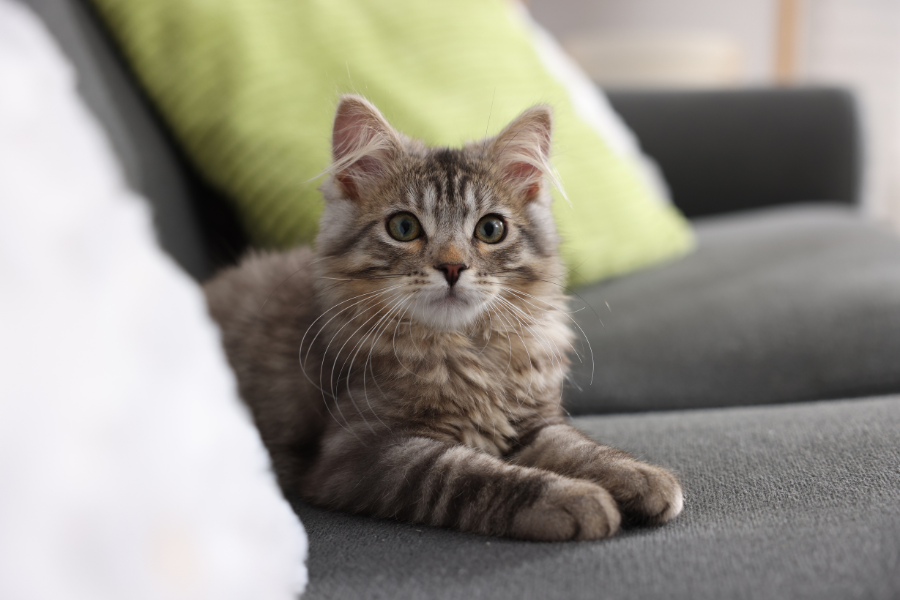
Puppies and kittens are curious, active, and still developing, which can make their first months both exciting and challenging. A small change in appetite, stool, energy, or breathing can sometimes signal a medical problem. Knowing the common health problems in puppies and kittens helps you recognize when a minor issue needs monitoring and when your young pet should see a veterinarian. At East Greenbush Animal Hospital, East Greenbush, NY, veterinary visits can help establish a baseline for your new pet and address concerns before they become harder to manage. Here are several problems new owners should understand.
What Are the Most Common Health Problems in Puppies and Kittens?
Common problems in young pets include intestinal parasites, digestive upset, respiratory infections, skin problems, injuries, and nutritional concerns. Puppies and kittens can become ill quickly, so persistent or worsening symptoms deserve veterinary attention.
| Health Problem | Possible Signs |
| Intestinal parasites | Diarrhea, poor growth, visible worms |
| Digestive upset | Vomiting, loose stool, reduced appetite |
| Respiratory illness | Sneezing, coughing, nasal discharge |
| Skin problems | Itching, hair loss, redness |
| Ear problems | Scratching, head shaking, odor |
| Injuries | Limping, swelling, pain |
Not every symptom means your pet has a serious condition, but young animals have less reserve than healthy adult pets.
Why Do Puppies and Kittens Get Digestive Problems?
Young pets often have sensitive digestive systems. Sudden food changes, eating inappropriate objects, intestinal parasites, stress, or infections can contribute to vomiting or diarrhea.
Mild digestive upset may resolve, but repeated vomiting or diarrhea can cause dehydration. Puppies and kittens that refuse food, become weak, or develop blood in their stool need prompt veterinary evaluation.
Keep your young pet away from garbage, household chemicals, human medications, and small objects that could be swallowed.
How Do Parasites Affect Young Pets?
Intestinal parasites are a common concern in puppies and kittens. Some parasites can interfere with nutrient absorption and cause diarrhea, poor growth, or a pot-bellied appearance.
Your veterinarian may recommend fecal testing to look for evidence of intestinal parasites. Treatment depends on what is identified, your pet’s age, and other health factors.
Regular veterinary examinations are especially valuable during early growth because your veterinarian can monitor weight and development while checking for problems that may not be obvious at home.
What Respiratory and Skin Problems Should Owners Watch For?
Sneezing, coughing, nasal discharge, eye discharge, itching, hair loss, and skin redness can have several causes. Young pets may also develop ear problems that cause head shaking or repeated scratching.
Watch for:
- Persistent coughing or sneezing
- Difficulty breathing
- Thick or unusual nasal discharge
- Severe itching
- Open sores
- Significant hair loss
- Swollen or painful ears
Breathing difficulty is an urgent concern and should not be managed at home without veterinary guidance.
How Does a Puppy or Kitten Wellness Visit Help?
A wellness examination gives your veterinarian an opportunity to assess your pet’s growth, body condition, teeth, ears, eyes, skin, heart, lungs, and overall development. Diagnostic testing may be recommended when symptoms or risk factors warrant it.
For example, a young kitten was brought in because the owner noticed loose stool and slower weight gain than expected. During the examination, the veterinarian recommended a fecal evaluation, which helped identify a digestive parasite. Appropriate treatment and follow-up allowed the kitten to return to normal growth.
That type of early assessment can prevent a small concern from becoming a larger health problem.
What Can New Owners Do to Keep Young Pets Healthy?
Good daily care helps reduce preventable problems and makes it easier to notice changes.
- Feed a diet appropriate for your pet’s life stage.
- Keep fresh water available.
- Monitor appetite and stool.
- Keep small objects and toxic substances out of reach.
- Handle young pets gently.
- Keep track of weight and growth.
- Schedule recommended veterinary examinations.
Young pets should not be expected to tolerate the same routines as adult animals. They need appropriate rest, nutrition, supervision, and social development.
When Should a Puppy or Kitten See a Vet?
Contact a veterinarian if symptoms persist, worsen, or affect your pet’s ability to eat, drink, breathe, move, or behave normally.
Urgent symptoms include:
| Symptom | Level of Concern |
| Difficulty breathing | Emergency |
| Repeated vomiting | Prompt evaluation |
| Severe diarrhea | Prompt evaluation |
| Extreme weakness | Urgent |
| Collapse | Emergency |
| Refusal to eat with other symptoms | Prompt evaluation |
When in doubt, it is safer to call your veterinary hospital and explain what you are seeing.
Conclusion
Puppies and kittens can experience digestive problems, parasites, respiratory illness, skin conditions, ear problems, and injuries during their early months. This is because young animals can deteriorate more quickly than adults, recognizing changes early is important. Routine puppy and kitten care also provide an opportunity to monitor growth and address concerns before they interfere with development. If you notice unusual symptoms in your new companion, East Greenbush Animal Hospital in East Greenbush, NY, can help determine whether your puppy or kitten needs an examination or diagnostic testing.
FAQs
Q1: What are the most common health problems in puppies and kittens?
A: Digestive upset, intestinal parasites, respiratory problems, skin conditions, ear problems, and minor injuries are among the concerns veterinarians commonly see in young pets.
Q2: How do I know if my puppy or kitten is sick?
A: Watch for changes in appetite, energy, stool, vomiting, breathing, urination, or behavior. Persistent or severe changes should be discussed with a veterinarian.
Q3: How are health problems in young pets treated?
A: Treatment depends on the underlying cause. A veterinarian may recommend diagnostic testing, medication, dietary changes, supportive care, or monitoring.
Q4: How often should puppies and kittens see a veterinarian?
A: Young pets generally need veterinary visits more often than healthy adults because they are growing rapidly and require closer monitoring. Your veterinarian can recommend an appropriate schedule.
Q5: When is a puppy or kitten’s illness an emergency?
A: Difficulty breathing, collapse, severe weakness, uncontrolled vomiting, or other rapidly worsening symptoms warrant urgent veterinary care.
 I have a GSD who isn't always her best self at the vet. She goes every 6 to 8 weeks for allergy shots so it is hard to create a positive association. My GSD has been going here since she was a puppy, and the staff are wonderful. At our last visit I learned that they actually put a note on my girl's file that she "does best receiving her treatments in the chair with mom holding her head." That made me happy to know that they wrote a note to ensure the visit doesn't create more stress for my dog.
