 Big Red Doghouse
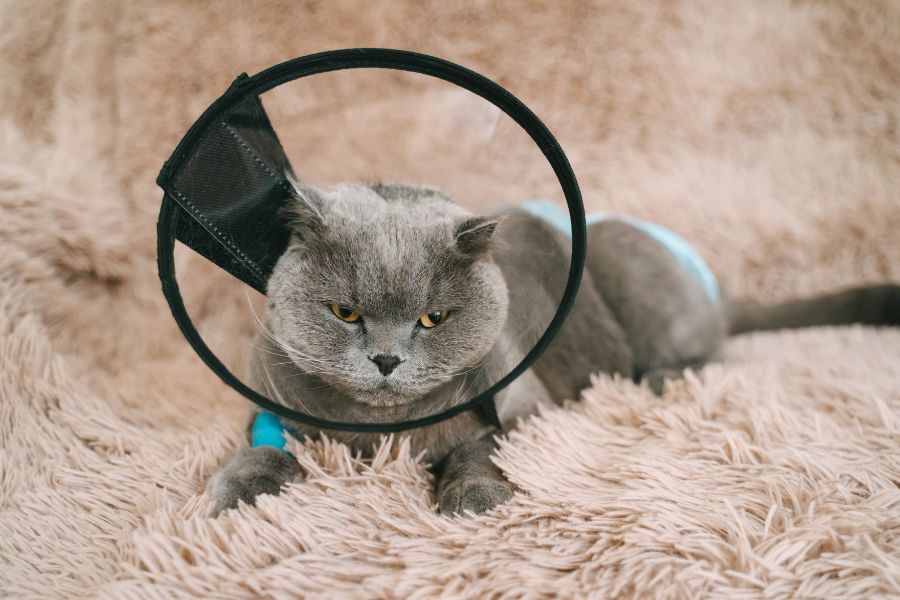
If your pet is scheduled for a spay or neuter surgery, it’s normal to have questions about what happens before, during, and after the procedure. Spaying and neutering are among the most common veterinary surgeries, and they play an important role in your pet’s long-term health, behavior, and quality of life. This guide explains the spay or neuter surgery process step by step, including preparation, anesthesia, the surgical procedure, recovery, and aftercare. Knowing what to expect can help you feel more confident and prepared on surgery day.
What Is a Spay or Neuter Surgery?
A spay is a surgical procedure performed on female pets to remove the ovaries and usually the uterus. A neuter is performed on male pets to remove the testicles. These procedures prevent reproduction and can provide several health and behavioral benefits.
Veterinarians commonly recommend spaying or neutering surgery for both cats and dogs because it can help:
- Prevent unwanted litters
- Reduce the risk of certain cancers
- Lower hormone-driven behaviors
- Decrease roaming and marking
- Improve overall pet population control
Both surgeries are considered routine and are performed safely every day in veterinary hospitals across the United States.
Why Spaying or Neutering Your Pet Matters?
Choosing a spay or neuter surgery is about more than preventing pregnancy. It is also a proactive step toward better lifelong health.
Health Benefits for Female Pets
Spaying may help reduce or prevent:
- Uterine infections
- Ovarian cancer
- Mammary gland tumors
- Complications from pregnancy
Health Benefits for Male Pets
Neutering may help reduce:
- Testicular cancer
- Prostate problems
- Aggressive behaviors linked to hormones
- Urine marking and roaming
Many pet owners also notice improvements in behavior after recovery, especially in younger pets.
Preparing for Your Pet’s Surgery
Preparation begins before you arrive at the veterinary hospital. Your veterinarian will provide detailed instructions to keep your pet safe during anesthesia and surgery.
Fasting Before Surgery
Most pets should not eat after midnight before surgery. Water may still be allowed for part of the evening, depending on your veterinarian’s instructions.
Fasting reduces the risk of vomiting while under anesthesia.
Pre-Surgical Examination
Before the procedure, the veterinary team performs a physical exam to confirm your pet is healthy enough for surgery. They may also recommend bloodwork to evaluate:
- Liver function
- Kidney function
- Blood sugar levels
- Red and white blood cell counts
This step helps identify any hidden health concerns before anesthesia.
Bringing Comfort Items
Some pets feel calmer with a familiar blanket or toy. Ask your veterinary clinic whether comfort items are allowed during check-in.
Step-by-Step: What Happens During a Spay or Neuter Surgery
Understanding the process can ease anxiety and help pet owners feel more informed.
Step 1: Check-In and Admission
When you arrive, the veterinary team reviews your pet’s medical history, confirms consent forms, and answers any final questions.
Your pet is then admitted to the surgical area, where the team monitors them closely throughout the day.
Step 2: Pre-Anesthetic Medication
Before anesthesia begins, pets often receive medications that help:
- Reduce stress
- Control pain
- Relax muscles
- Make anesthesia smoother and safer
These medications help your pet stay calm and comfortable.
Step 3: Administering Anesthesia
General anesthesia ensures your pet remains unconscious and pain-free during surgery.
A small IV catheter is typically placed to deliver:
- Anesthetic medications
- Fluids for hydration
- Emergency medications if needed
Once asleep, your pet is connected to monitoring equipment that tracks:
- Heart rate
- Oxygen levels
- Blood pressure
- Body temperature
- Breathing
Veterinary professionals monitor these vital signs continuously.
Step 4: Preparing the Surgical Site
The surgical area is shaved and cleaned with sterile disinfectants to reduce the risk of infection.
Maintaining a sterile environment is an important part of safe surgical care.
Step 5: Performing the Surgery
During a Spay Surgery
For female pets, the veterinarian makes a small incision in the abdomen to remove the ovaries and uterus. The incision is then carefully closed with sutures.
During a Neuter Surgery
For male pets, the veterinarian removes the testicles through a small incision near the scrotum. In many cases, stitches may not even be visible externally.
Neuter procedures are generally shorter and less invasive than spays.
Step 6: Recovery From Anesthesia
After surgery, your pet moves to a recovery area where veterinary staff continue monitoring them as they wake up.
Pets are kept warm, comfortable, and supervised until they are alert enough to go home safely.
Some pets may appear sleepy or slightly disoriented for several hours after anesthesia. This is normal.
What to Expect After Surgery?
Recovery is usually straightforward, especially when pet owners carefully follow aftercare instructions.
Common Post-Surgery Symptoms
Your pet may experience:
- Mild grogginess
- Reduced appetite for a day
- Slight swelling near the incision
- Low energy for 24 to 48 hours
These signs are typically temporary.
Pain Management After Spay or Neuter Surgery
Modern veterinary medicine places strong emphasis on pain control. Most pets receive pain medications during and after surgery.
Your veterinarian may prescribe:
- Oral pain relievers
- Anti-inflammatory medications
- Activity restrictions
Never give human pain medications to pets unless specifically instructed by a veterinarian.
How to Care for Your Pet at Home?
Proper aftercare helps support healing and prevents complications.
Limit Physical Activity
For about 10 to 14 days, pets should avoid:
- Running
- Jumping
- Rough play
- Swimming
Too much activity can reopen the incision site.
Prevent Licking or Chewing
Most pets go home with an Elizabethan collar, also called a cone, to stop licking the incision.
Excessive licking can cause infection or remove stitches prematurely.
Monitor the Incision Daily
Check the incision once or twice daily for:
- Redness
- Swelling
- Discharge
- Bleeding
- Missing stitches
Contact your veterinarian if you notice worsening symptoms.
When to Call Your Veterinarian?
Although complications are uncommon, contact your veterinary clinic if your pet experiences:
- Vomiting or diarrhea lasting more than 24 hours
- Refusal to eat for more than a day
- Severe swelling or bleeding
- Difficulty breathing
- Extreme lethargy
- Opening of the incision
Prompt care helps prevent more serious issues.
How Long Does Recovery Take?
Most pets recover surprisingly quickly after spaying or neutering surgery.
- Many dogs and cats feel better within 24 to 48 hours
- Full healing typically takes 10 to 14 days
- Younger pets often recover faster
Your veterinarian may schedule a follow-up visit to ensure healing is progressing normally.
Common Myths About Spay and Neuter Surgery
“My Pet Will Gain Weight”
Weight gain is usually related to diet and activity level, not the surgery itself. Regular exercise and proper feeding help maintain a healthy weight.
“It Changes My Pet’s Personality”
Spaying or neutering does not change your pet’s core personality. Many pets simply become calmer because hormone-driven behaviors decrease.
“It’s Too Dangerous”
Spay and neuter surgeries are considered very safe when performed by trained veterinary professionals with proper monitoring and anesthesia protocols.
Conclusion
A spay or neuter surgery is a routine procedure that offers long-term health and behavioral benefits for pets. Understanding each step of the process can help reduce stress and make surgery day easier for both you and your pet. With proper preparation, attentive veterinary care, and good at-home recovery support, most pets heal quickly and return to normal activities within days. If you have questions about scheduling a spay or neuter procedure for your pet, contact East Greenbush Animal Hospital in East Greenbush, NY, to learn more about your pet’s surgical care options.
FAQs
Q1: How old should a pet be before spaying or neutering surgery?
Ans: Most pets are spayed or neutered between 5 and 9 months of age, although recommendations may vary based on breed, size, and health.
Q2: Is spay or neuter surgery painful for pets?
Ans: Pets are given anesthesia and pain medication to keep them comfortable during and after surgery. Most recover with only mild temporary discomfort.
Q3: How long does a spay or neuter surgery take?
Ans: Neuter surgeries often take 20 to 45 minutes, while spay procedures may take 45 minutes to an hour, depending on the pet.
Q4: Can my pet eat after surgery?
Ans: Most pets can eat a small meal the evening after surgery, although appetite may be reduced temporarily.
Q5: Do pets need to wear a cone after spaying or neutering surgery?
Ans: Yes, many pets need a cone or recovery collar to prevent licking or chewing the incision while it heals.
 I have a GSD who isn't always her best self at the vet. She goes every 6 to 8 weeks for allergy shots so it is hard to create a positive association. My GSD has been going here since she was a puppy, and the staff are wonderful. At our last visit I learned that they actually put a note on my girl's file that she "does best receiving her treatments in the chair with mom holding her head." That made me happy to know that they wrote a note to ensure the visit doesn't create more stress for my dog.
