 Big Red Doghouse
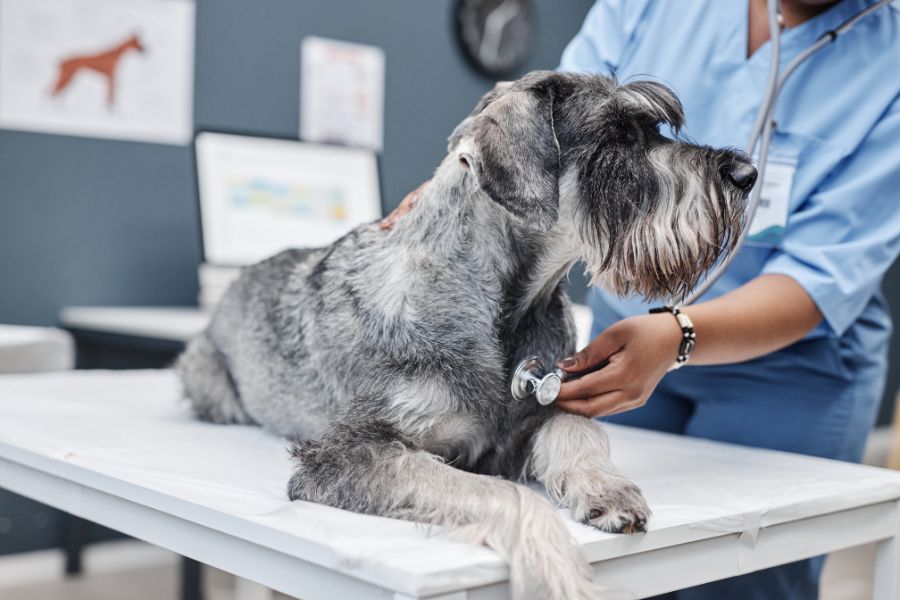
As pets grow older, their health needs begin to change. Geriatric pet care focuses on helping senior dogs and cats stay healthy, comfortable, and active through regular wellness exams, preventive care, and early disease detection. Knowing when your pet officially becomes a senior can help you make better decisions about nutrition, mobility support, dental care, and routine screenings. In this guide, you’ll learn what geriatric pet care includes, when pets are considered seniors, common health concerns in aging pets, and how proactive veterinary care can improve your pet’s quality of life for years to come.
What Is Geriatric Pet Care?
Geriatric pet care refers to specialized veterinary care designed for aging pets. Just like humans, dogs and cats experience physical and metabolic changes as they get older. Their immune systems may weaken, joints can become stiff, and chronic conditions may develop slowly over time.
Senior pet care focuses on:
- Preventing age-related diseases
- Detecting health issues early
- Managing chronic conditions
- Improving comfort and mobility
- Supporting mental and emotional well-being
Aging pets often require more frequent veterinary visits, additional diagnostic testing, dietary adjustments, and lifestyle changes to maintain a good quality of life.
When Is a Pet Considered Geriatric?
There is no exact age that applies to every pet because aging depends on species, breed, and size.
General Senior Age Guidelines for Dogs
- Small breed dogs: around 10 to 12 years old
- Medium-breed dogs: around 8 to 10 years old
- Large breed dogs: around 7 to 8 years old
- Giant breeds: around 5 to 6 years old
Larger dogs typically age faster than smaller breeds.
Senior Age Guidelines for Cats
Most cats are considered senior pets around 10 years old, while cats over 14 years old are often classified as geriatric.
Even if your pet seems healthy, it is important to begin geriatric pet care before obvious signs of aging appear. Early monitoring helps veterinarians detect subtle changes that may otherwise go unnoticed.
Why Geriatric Pet Care Matters?
Aging pets are more likely to develop chronic illnesses that progress gradually. Many conditions can be managed successfully when detected early.
Routine senior wellness care helps identify:
- Arthritis and joint disease
- Kidney disease
- Heart disease
- Diabetes
- Dental disease
- Thyroid disorders
- Vision and hearing loss
- Cognitive dysfunction
- Cancer
Pets naturally hide pain and discomfort, especially cats. Regular veterinary exams can reveal issues long before symptoms become severe.
Common Signs Your Pet Is Aging
Some changes are expected with age, but others may indicate underlying medical concerns.
Watch for signs such as:
- Sleeping more than usual
- Difficulty standing or climbing stairs
- Weight gain or weight loss
- Changes in appetite or thirst
- Bad breath
- Cloudy eyes
- Increased anxiety or confusion
- Accidents in the house
- Reduced interest in play or walks
- Stiffness after resting
If you notice any of these symptoms, schedule a veterinary evaluation promptly.
What Happens During a Geriatric Pet Exam?
Senior wellness visits are typically more detailed than routine annual checkups.
A geriatric pet care appointment may include:
Comprehensive Physical Examination
Your veterinarian evaluates:
- Weight and body condition
- Joint mobility
- Heart and lung health
- Skin and coat quality
- Dental health
- Vision and hearing
- Muscle condition
Even small changes can provide important clues about your pet’s health.
Blood and Urine Testing
Routine diagnostic testing is one of the most valuable parts of geriatric pet care.
Common tests include:
- Complete blood count (CBC)
- Blood chemistry panel
- Thyroid testing
- Urinalysis
- Blood pressure screening
These tests can detect hidden diseases before symptoms become noticeable.
Mobility and Arthritis Assessment
Arthritis is extremely common in senior pets, especially dogs. Many pets suffer silently because owners mistake reduced activity for “normal aging.”
Veterinarians may recommend:
- Joint supplements
- Weight management
- Pain medications
- Physical therapy
- Low-impact exercise
Dental Evaluation
Dental disease affects a large percentage of older pets. Untreated oral infections can impact the heart, kidneys, and overall health.
Signs of dental problems include:
- Bad breath
- Drooling
- Difficulty eating
- Red gums
- Loose teeth
Professional dental cleanings may be recommended as part of ongoing senior care.
Nutrition for Senior Pets
Older pets have different nutritional needs than younger animals. Some become less active and gain weight, while others lose muscle mass and struggle to maintain a healthy weight.
Senior pet diets may help with:
- Joint support
- Weight control
- Kidney health
- Digestive health
- Cognitive support
Your veterinarian may recommend a diet based on your pet’s breed, medical history, and activity level.
Tips for Feeding Senior Pets
- Monitor weight regularly
- Avoid overfeeding treats
- Provide easy access to fresh water
- Choose high-quality senior formulas
- Feed smaller meals if digestion becomes sensitive
Proper nutrition plays a major role in healthy aging.
Mental Health and Cognitive Changes in Aging Pets
Senior pets can experience cognitive decline similar to dementia in humans. This condition is sometimes called cognitive dysfunction syndrome.
Signs may include:
- Disorientation
- Nighttime restlessness
- Increased vocalization
- Forgetting routines
- Anxiety or clinginess
Mental stimulation can help slow cognitive decline.
Helpful activities include:
- Gentle play sessions
- Puzzle toys
- Short walks
- Consistent routines
- Positive interaction with family members
In some cases, veterinarians may recommend supplements or medications to support brain health.
How Often Should Senior Pets Visit the Vet?
Most veterinarians recommend that senior pets receive wellness exams every six months instead of once yearly.
Because pets age faster than humans, significant health changes can happen in a short period of time.
Twice-yearly visits allow veterinarians to:
- Track changes more closely
- Adjust medications if needed
- Detect illness earlier
- Monitor chronic conditions
- Improve long-term outcomes
Frequent monitoring is especially important for pets with arthritis, diabetes, kidney disease, or heart conditions.
Creating a Comfortable Home for Senior Pets
Simple home adjustments can make daily life easier for aging pets.
Helpful Changes Include:
- Orthopedic pet beds
- Non-slip rugs or flooring
- Ramps for stairs or furniture
- Elevated food and water bowls
- Easier litter box access for cats
- Shorter, gentler exercise sessions
Comfort and safety become increasingly important as mobility changes with age.
Preventive Care Still Matters for Senior Pets
Many owners assume older pets no longer need vaccines, parasite prevention, or dental care. However, preventive medicine remains essential throughout your pet’s life.
Senior pets still benefit from:
- Vaccinations
- Flea and tick prevention
- Heartworm prevention
- Routine dental cleanings
- Weight management
- Wellness screenings
Preventive care helps reduce the risk of serious illness and keeps older pets healthier for longer.
Conclusion
Geriatric pet care is about more than simply treating illness. It focuses on helping aging pets enjoy a comfortable, active, and happy life through preventive care, regular monitoring, and early treatment. Starting senior wellness care before major health issues appear can make a significant difference in your pet’s long-term quality of life. If your dog or cat is entering their senior years, scheduling regular wellness exams is one of the best ways to support healthy aging. The team at East Greenbush Animal Hospital in East Greenbush, NY, can help create a personalized senior care plan that keeps your pet healthy and comfortable through every stage of life.
FAQs
Q1: At what age should geriatric pet care begin?
Ans: Most pets should begin geriatric pet care around 7 to 10 years old, depending on their species and breed size. Larger dogs usually require senior care earlier than smaller breeds.
Q2: How often should senior pets see a veterinarian?
Ans: Senior pets should typically have wellness exams every six months to monitor for age-related health changes and chronic conditions.
Q3: What are common diseases seen in senior pets?
Ans: Common conditions include arthritis, kidney disease, diabetes, heart disease, dental disease, thyroid disorders, and cognitive dysfunction.
Q4: Can older pets still receive vaccinations?
Ans: Yes, senior pets still need vaccinations and preventive care. Your veterinarian may adjust vaccine schedules based on your pet’s lifestyle and health status.
Q5: How can I improve my senior pet’s quality of life?
Ans: You can support your aging pet with regular veterinary care, proper nutrition, comfortable bedding, joint support, mental stimulation, and a safe home environment.
 I have a GSD who isn't always her best self at the vet. She goes every 6 to 8 weeks for allergy shots so it is hard to create a positive association. My GSD has been going here since she was a puppy, and the staff are wonderful. At our last visit I learned that they actually put a note on my girl's file that she "does best receiving her treatments in the chair with mom holding her head." That made me happy to know that they wrote a note to ensure the visit doesn't create more stress for my dog.
