 Big Red Doghouse
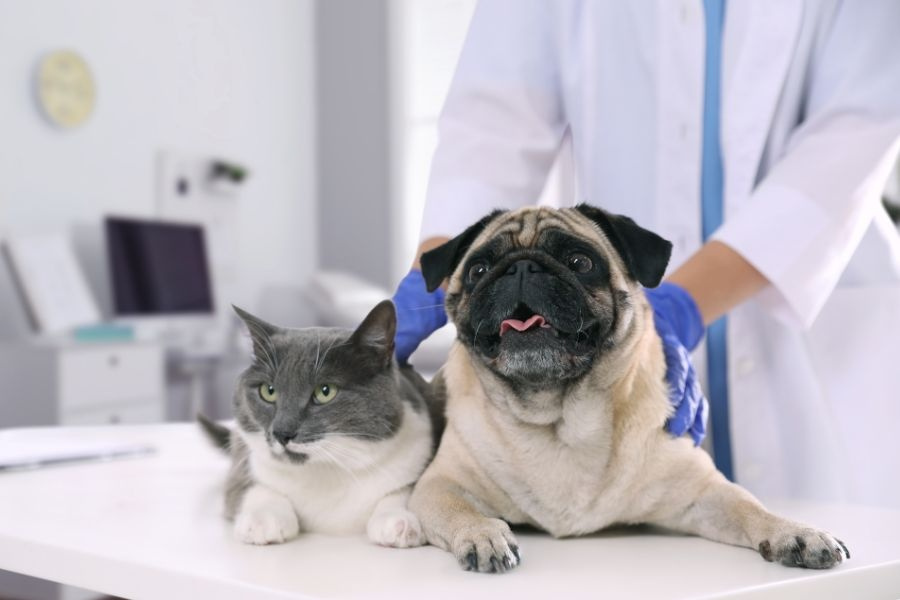
Bringing home a new pet is exciting, but scheduling that first wellness visit is one of the most important steps you can take for their long-term health. A pet’s first veterinary exam helps detect early health concerns, establishes a preventive care plan, and gives pet owners confidence about proper nutrition, vaccinations, and daily care.
In this guide, you’ll learn exactly what to expect during your pet’s first wellness exam, including physical evaluations, vaccine recommendations, parasite screenings, and common questions veterinarians ask during the appointment. Whether you have a new puppy, kitten, or adopted adult pet, understanding the process can help make the visit smooth and stress-free.
Why Your Pet’s First Wellness Exam Matters?
A first wellness exam is more than a routine checkup. It creates the foundation for your pet’s lifelong healthcare plan. Early veterinary care helps identify hidden medical conditions before they become serious and allows your veterinarian to track your pet’s growth and development.
During the first visit, your veterinarian will also discuss:
- Proper nutrition
- Vaccination schedules
- Parasite prevention
- Behavioral concerns
- Dental health
- Spaying or neutering recommendations
- Exercise and lifestyle needs
For young pets, these visits are especially important because puppies and kittens develop quickly during their first year.
When Should You Schedule the First Wellness Visit?
Most veterinarians recommend scheduling your pet’s first wellness exam within the first week of bringing them home. Even if a breeder or shelter already provided vaccines or medical records, your veterinarian should still perform a complete evaluation.
Recommended timelines include:
- Puppies: Around 6 to 8 weeks old
- Kittens: Around 6 to 8 weeks old
- Adopted adult pets: Within the first few days after adoption
Early appointments help detect contagious illnesses, intestinal parasites, or nutritional concerns before they worsen.
What Happens During a Pet Wellness Exam?
Many first-time pet owners wonder what actually takes place during the appointment. A wellness exam is a thorough head-to-tail evaluation designed to assess your pet’s overall health.
1. Weight and Vital Signs Check
The veterinary team will begin by recording your pet’s:
- Weight
- Temperature
- Heart rate
- Respiratory rate
Tracking these numbers early creates a health baseline for future visits. Weight monitoring is especially important for growing puppies and kittens.
A Full Physical Examination
Your veterinarian will carefully examine nearly every part of your pet’s body to look for abnormalities or signs of illness.
Areas commonly checked include:
Eyes and Ears
The vet checks for:
- Infection
- Inflammation
- Vision concerns
- Ear mites or debris
Mouth and Teeth
Dental health starts early. Your veterinarian may look for:
- Bite alignment issues
- Retained baby teeth
- Gum inflammation
- Plaque buildup
Skin and Coat
The skin can reveal many health problems. The vet will check for:
- Fleas or ticks
- Dry skin
- Hair loss
- Allergies
- Lumps or irritation
Heart and Lungs
Using a stethoscope, the veterinarian listens for:
- Heart murmurs
- Irregular heartbeat
- Breathing abnormalities
Abdomen
The abdomen is gently palpated to evaluate internal organs and detect discomfort, swelling, or digestive concerns.
Joints and Mobility
The vet may observe your pet’s walking and movement to check for:
- Joint abnormalities
- Limping
- Muscle development issues
Vaccinations Your Pet May Receive
Vaccines are one of the most important parts of preventive veterinary care. During your pet’s first wellness exam, your veterinarian will discuss a vaccine schedule based on age, lifestyle, and risk factors.
Common core vaccines for dogs include:
- Rabies
- Distemper
- Parvovirus
- Adenovirus
Common core vaccines for cats include:
- Rabies
- Feline distemper
- Herpesvirus
- Calicivirus
Your veterinarian may also recommend non-core vaccines depending on your pet’s lifestyle, travel habits, or exposure risks.
Parasite Testing and Prevention
Many pets, especially puppies and kittens, can carry parasites without obvious symptoms. Your veterinarian may recommend testing for:
- Intestinal worms
- Heartworms
- Fleas
- Ticks
- Ear mites
A fecal sample is often requested during the first visit to screen for intestinal parasites. Preventive medications may also be prescribed to protect your pet year-round.
Nutrition and Feeding Guidance
One of the biggest topics discussed during a first wellness exam is nutrition. Feeding the right food during early development can affect your pet’s energy levels, growth, and overall health.
Your veterinarian may recommend:
- Age-appropriate diets
- Portion sizes
- Feeding schedules
- Treat recommendations
- Weight management strategies
This is also a great time to ask about food allergies, supplements, or safe human foods.
Behavioral Questions and Training Advice
Your veterinarian will likely ask questions about your pet’s behavior and adjustment at home.
Common topics include:
- Potty training
- Crate training
- Socialization
- Scratching or chewing habits
- Anxiety or fearfulness
- Sleep patterns
Early behavioral guidance can prevent future problems and strengthen the bond between you and your pet.
What Pet Owners Should Bring to the Appointment?
Preparing ahead of time can make the visit easier for both you and your pet.
Bring the following items if possible:
- Previous medical records
- Vaccine history
- Adoption paperwork
- Current medications
- A stool sample
- List of questions or concerns
Dogs should arrive on a leash, while cats should be transported in a secure carrier.
Questions You Should Ask During the Wellness Exam
Your pet’s first appointment is the perfect opportunity to gather helpful information. Consider asking:
- What vaccines does my pet need?
- What diet do you recommend?
- How often should my pet have wellness exams?
- What flea and heartworm prevention is best?
- When should my pet be spayed or neutered?
- Are there any signs of health issues I should monitor?
Good communication with your veterinarian helps ensure your pet receives the best possible care.
How to Help Your Pet Feel Comfortable at the Vet?
Some pets may feel nervous during their first veterinary visit. A little preparation can make a big difference.
Helpful tips include:
- Bring favorite treats or toys
- Use a calm voice
- Allow pets to explore the carrier beforehand
- Avoid feeding a large meal right before the visit
- Reward calm behavior after the exam
Positive early experiences can help reduce fear during future appointments.
How Often Will Your Pet Need Wellness Exams?
After the first visit, regular wellness exams remain essential throughout your pet’s life.
Typical wellness visit schedules include:
- Puppies and kittens: Every 3 to 4 weeks until vaccine series is complete
- Healthy adult pets: Once yearly
- Senior pets: Every 6 months, in many cases
Routine preventive care often helps catch illnesses earlier when treatment is more effective and less expensive.
Conclusion
Knowing what to expect during your pet’s first wellness check can help you feel more prepared and confident as a pet owner. From physical exams and vaccinations to nutrition guidance and parasite prevention, these early visits play a major role in your pet’s long-term health and happiness.
If you recently welcomed a new furry family member, the caring team at East Greenbush Animal Hospital in East Greenbush, NY, can help your pet get started with compassionate preventive care. Schedule your pet’s first wellness exam today and give them the healthy start they deserve.
FAQs
Q1: What happens during a pet’s first wellness exam?
Ans: A veterinarian performs a complete physical examination, reviews your pet’s medical history, discusses vaccines, checks for parasites, and provides nutrition and preventive care recommendations.
Q2: How long does a first pet wellness exam take?
Ans: Most first wellness exams last between 30 and 60 minutes, depending on your pet’s age, health condition, and whether vaccines or tests are needed.
Q3: Should I bring a stool sample to my pet’s first vet visit?
Ans: Yes, bringing a fresh stool sample allows the veterinarian to test for intestinal parasites that may not show visible symptoms.
Q4: How soon should I take a new puppy or kitten to the vet?
Ans: Most veterinarians recommend scheduling the first wellness exam within the first week of bringing your new pet home.
Q5: Are wellness exams necessary for healthy pets?
Ans: Yes, regular wellness exams help detect hidden health problems early and keep vaccinations, parasite prevention, and nutrition plans up to date.
 I have a GSD who isn't always her best self at the vet. She goes every 6 to 8 weeks for allergy shots so it is hard to create a positive association. My GSD has been going here since she was a puppy, and the staff are wonderful. At our last visit I learned that they actually put a note on my girl's file that she "does best receiving her treatments in the chair with mom holding her head." That made me happy to know that they wrote a note to ensure the visit doesn't create more stress for my dog.
