 Big Red Doghouse
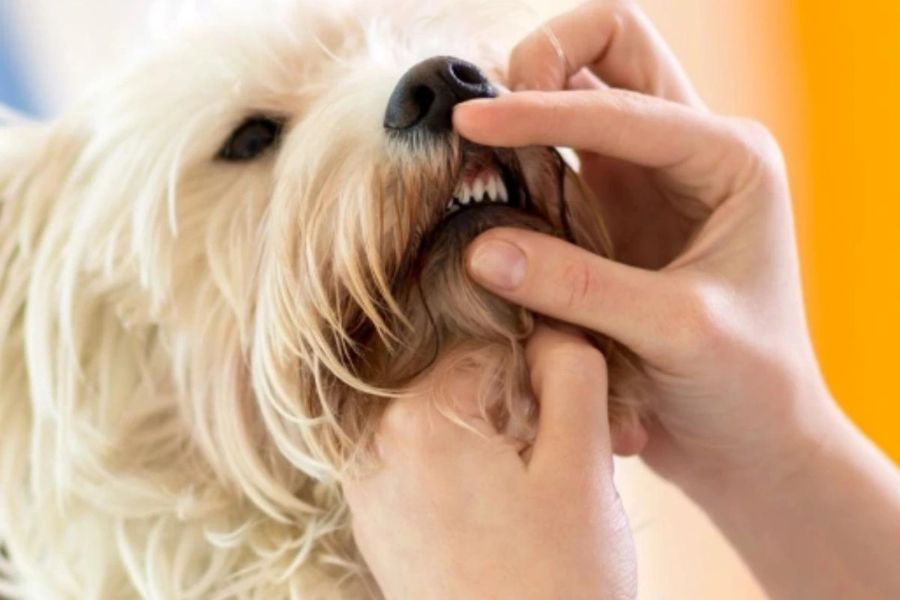
If your dog’s breath smells unpleasant, it may be more than just a minor annoyance. Bad breath is often one of the first signs of dental disease in pets. Knowing how often to brush a dog’s teeth can make a huge difference in preventing serious oral health issues. In this guide, we’ll explain the ideal brushing routine, signs of dental problems, and practical tips to keep your dog’s mouth clean and healthy.
Why Your Dog’s Breath Smells Bad?
Many pet owners assume that bad breath is normal for dogs, but that is not always true. Persistent foul odor can signal a buildup of bacteria in your dog’s mouth.
The most common causes include:
- Plaque and tartar accumulation
- Gum inflammation or infection
- Food particles stuck between teeth
- Underlying health issues, such as kidney disease
When plaque hardens into tartar, it can lead to periodontal disease, a serious condition affecting the gums and bones supporting the teeth.
Why It’s Important to Brush Dogs’ Teeth Regularly?
Regular dental care is not just about fresh breath. It plays a critical role in your dog’s overall health.
Here’s why you should brush your dog’s teeth consistently:
- Prevents plaque buildup: Daily brushing removes food debris and bacteria
- Reduces risk of gum disease: Healthy gums protect against infection
- Protects internal organs: Bacteria from the mouth can enter the bloodstream
- Saves money long term: Preventive care reduces costly dental procedures
Studies suggest that by age three, most dogs show signs of dental disease. That makes early and consistent brushing essential.
How Often Should You Brush Your Dog’s Teeth?
The ideal frequency is daily brushing. This is the gold standard recommended by veterinarians.
However, if daily brushing is not possible, aim for:
- At least 3 to 4 times per week as a minimum
- Consistency over perfection
- Gradual improvement if your dog resists at first
The more frequently you brush your dog’s teeth, the more effective you will be at preventing plaque and tartar buildup.
Signs Your Dog May Need Better Dental Care
Dogs cannot tell us when something is wrong, so it is important to watch for warning signs.
Look out for:
- Persistent bad breath
- Red or swollen gums
- Yellow or brown buildup on teeth
- Difficulty eating or chewing
- Drooling more than usual
- Pawing at the mouth
If you notice any of these symptoms, it may be time to increase how often you brush dogs teeth or schedule a professional dental exam.
Step-by-Step Guide to Brushing Dogs’ Teeth at Home
Brushing your dog’s teeth may sound challenging, but it becomes easier with practice.
1. Choose the Right Tools
Use a dog-specific toothbrush and toothpaste. Human toothpaste can be harmful to pets.
2. Start Slowly
Let your dog get used to the taste of the toothpaste first. Gradually introduce the toothbrush.
3. Find a Comfortable Position
Sit beside or behind your dog to keep them calm and secure.
4. Use Gentle Motions
Brush in small circular motions, focusing on the outer surfaces of the teeth.
5. Reward Your Dog
Positive reinforcement helps your dog associate brushing with something enjoyable.
Consistency is key. Even short brushing sessions are beneficial when done regularly.
Tips to Make Brushing Easier
Some dogs may resist brushing at first, but a few strategies can help:
- Start dental care routines early in life
- Keep sessions short and positive
- Use flavored pet toothpaste
- Gradually increase brushing time
- Stay calm and patient
You can also pair brushing with daily routines like walks or feeding times to build consistency.
Alternatives to Brushing Dogs’ Teeth
While brushing is the most effective method, there are supportive options that can help maintain oral health:
- Dental chews: Help reduce plaque buildup
- Water additives: Freshen breath and fight bacteria
- Dental diets: Special kibble designed for oral health
- Professional cleanings: Essential for deep cleaning
These options should complement, not replace, your efforts to brush your dog’s teeth regularly.
When to Schedule a Professional Dental Cleaning
Even with regular brushing, professional dental care is sometimes necessary.
Veterinarians recommend dental exams:
- Once a year for most dogs
- More frequently for small breeds or high-risk pets
Professional cleanings remove tartar below the gumline, something brushing alone cannot achieve.
Common Mistakes to Avoid
Many pet owners unknowingly make mistakes that reduce the effectiveness of dental care.
Avoid these common errors:
- Using human toothpaste
- Brushing too aggressively
- Skipping routine brushing
- Ignoring early signs of dental disease
- Relying only on treats instead of brushing
Proper technique and consistency will give you the best results.
Bad breath in dogs is often a sign of underlying dental issues that should not be ignored and needs to be solved through proper dental care. The best way to prevent dental disease is to brush dogs teeth regularly, ideally every day. Combined with routine vet checkups and supportive dental products, this simple habit can greatly improve your dog’s quality of life.
If you are unsure where to start or notice signs of dental problems, schedule a dental checkup with East Greenbush Animal Hospital in East Greenbush, NY, and give your dog the healthy smile they deserve.
FAQs
Q1: How often should I brush dogs teeth to prevent dental disease?
Ans: Ideally, you should brush your dog’s teeth daily, but at least 3 to 4 times per week can still provide benefits.
Q2: What happens if I don’t brush my dog’s teeth?
Ans: Without brushing, plaque and tartar can build up, leading to gum disease, tooth loss, and other health issues.
Q3: Can dental chews replace brushing a dog’s teeth?
Ans: No, dental chews can help, but should not replace regular brushing for effective oral care.
Q4: What toothpaste should I use for my dog?
Ans: Always use toothpaste specifically designed for dogs, as human toothpaste contains ingredients that can be harmful.
Q5: How can I tell if my dog has dental disease?
Ans: Common signs include bad breath, swollen gums, visible tartar, and difficulty eating.
 I have a GSD who isn't always her best self at the vet. She goes every 6 to 8 weeks for allergy shots so it is hard to create a positive association. My GSD has been going here since she was a puppy, and the staff are wonderful. At our last visit I learned that they actually put a note on my girl's file that she "does best receiving her treatments in the chair with mom holding her head." That made me happy to know that they wrote a note to ensure the visit doesn't create more stress for my dog.
