 Big Red Doghouse
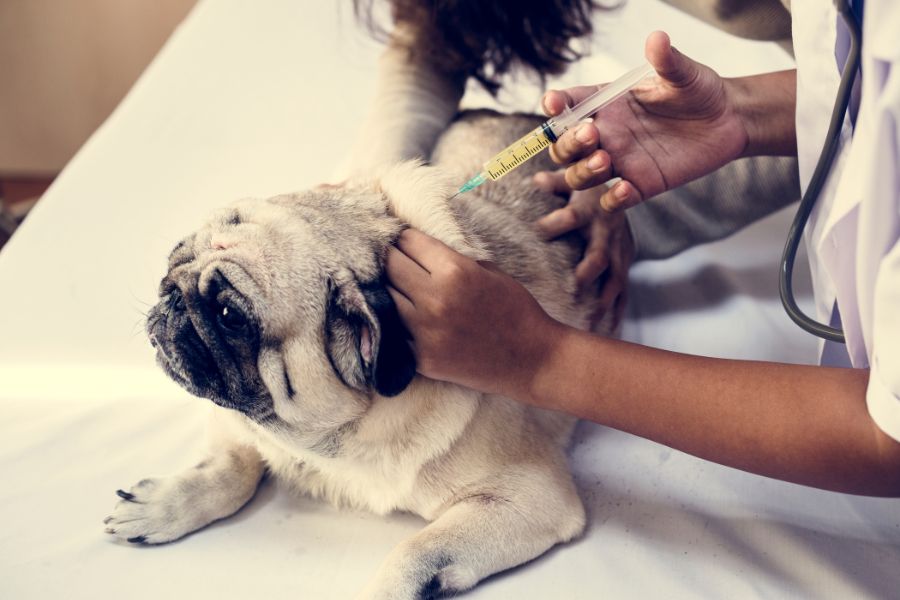
Misinformation about pet vaccinations spreads quickly on social media, often leaving pet owners confused about what is truly best for their animals. While online posts may sound convincing, veterinary science tells a very different story.
This guide explains the real facts about pet vaccinations, how vaccines protect dogs and cats from dangerous diseases, and why veterinary professionals strongly recommend them. By understanding the science behind vaccines, pet owners can make informed decisions that protect their pets, their families, and the community.
What Are Pet Vaccinations and Why Do They Matter?
Pet vaccinations are medical treatments that help a pet’s immune system recognize and fight harmful diseases. Vaccines introduce a small, safe version of a virus or bacteria to the body, allowing the immune system to learn how to defend itself.
Once vaccinated, your pet’s body can quickly respond if it encounters the real disease.
Vaccines protect pets from many serious and sometimes fatal illnesses, including:
- Rabies
- Distemper
- Parvovirus
- Feline leukemia
- Bordetella (kennel cough)
Without proper pet vaccinations, these diseases can spread quickly and lead to severe illness or death. Vaccines also help create community protection. When most pets are vaccinated, disease outbreaks become much less likely.
How Social Media Misinformation Affects Pet Vaccination Decisions?
Social media platforms often spread health advice that is not supported by veterinary science. Many viral posts claim vaccines are dangerous or unnecessary.
Common examples include:
- Claims that vaccines cause severe long-term illness
- Advice to skip routine vaccines
- Suggestions that natural immunity is better than vaccination
- Personal stories that lack medical evidence
These claims often rely on anecdotal experiences rather than scientific research. A single story shared online does not represent what actually happens in the broader pet population. Veterinary recommendations for pet vaccinations are based on decades of research, clinical trials, and ongoing monitoring for safety.
What Science Says About Pet Vaccinations?
Scientific research consistently shows that pet vaccinations are safe, effective, and essential for preventing serious diseases. Veterinary organizations such as the American Veterinary Medical Association and the American Animal Hospital Association support vaccination because of strong evidence showing its benefits.
Key scientific facts about vaccines include:
- Vaccines undergo extensive safety testing before approval.
- Adverse reactions are rare and usually mild.
- Vaccination has dramatically reduced deadly diseases in pets.
For example, canine parvovirus once caused widespread deaths in puppies. Today, because of routine pet vaccinations, the disease is far less common in vaccinated animals. Vaccines are one of the most important advances in modern veterinary medicine.
Core vs Non Core Vaccines for Pets
Not every vaccine is required for every pet. Veterinarians divide pet vaccinations into two main categories.
Core Vaccines
Core vaccines are recommended for nearly all pets because they protect against highly contagious or life-threatening diseases.
For dogs, core vaccines typically include:
- Rabies
- Distemper
- Parvovirus
- Adenovirus
For cats, core vaccines usually include:
- Rabies
- Feline panleukopenia
- Feline herpesvirus
- Calicivirus
These diseases can spread easily and cause severe illness.
Non-Core Vaccines
Non-core vaccines depend on a pet’s lifestyle and risk factors.
Examples include:
- Bordetella for dogs that visit boarding facilities
- Lyme disease vaccine in tick-prone areas
- Feline leukemia vaccine for outdoor cats
A veterinarian helps determine which pet vaccinations are appropriate based on your pet’s environment and health.
Are Pet Vaccinations Safe?
Safety is one of the most common concerns pet owners see discussed online. Fortunately, scientific data show that pet vaccinations are very safe.
Most pets experience no side effects at all. When reactions occur, they are typically mild and temporary.
Possible mild reactions include:
- Slight tiredness
- Mild fever
- Small swelling at the injection site
- Reduced appetite for a day
Serious reactions are extremely rare and occur in a very small percentage of pets. Veterinarians carefully monitor pets after vaccines and adjust vaccination plans if a pet has a history of reactions.
What Happens If Pets Skip Vaccinations?
Skipping pet vaccinations can leave animals vulnerable to preventable diseases. Many of these diseases spread quickly and are difficult or expensive to treat.
For example:
- Rabies is almost always fatal once symptoms appear.
- Parvovirus causes severe vomiting and dehydration in puppies.
- Feline leukemia weakens the immune system in cats.
Treatment for these diseases often requires hospitalization and intensive care. Prevention through vaccination is far safer and far less costly. Vaccination also protects humans. Rabies is a serious zoonotic disease that can spread from animals to people.
How Veterinarians Personalize Vaccination Schedules?
A responsible vaccination plan is not a one-size-fits-all approach. Veterinarians customize pet vaccinations based on several factors.
These include:
- Age of the pet
- Breed and size
- Lifestyle and exposure risk
- Travel habits
- Local disease prevalence
- Medical history
For example, a dog that frequently visits dog parks or boarding facilities may need additional protection compared to a dog that stays mostly at home.
Puppies and kittens usually begin vaccinations at 6 to 8 weeks of age, followed by booster shots during the first year. Adult pets then receive boosters based on veterinary guidelines. Regular wellness visits help ensure vaccines remain up to date.
How to Identify Reliable Pet Health Information Online?
Because social media can spread misleading information, pet owners should learn how to evaluate online health advice.
Helpful tips include:
Check the source
Information from veterinary organizations, universities, and licensed veterinarians is more reliable than anonymous posts.
Look for scientific evidence
Trust advice supported by research rather than personal stories.
Consult your veterinarian
Your veterinarian understands your pet’s health history and local disease risks.
If a claim online discourages pet vaccinations, it is always best to discuss it with a veterinary professional before making decisions. While social media may contain conflicting opinions, veterinary science provides clear evidence that pet vaccinations play a critical role in protecting animal health. Vaccines prevent dangerous diseases, reduce outbreaks, and help pets live longer, healthier lives.
If you have questions about your pet’s vaccination schedule or want to ensure your pet is fully protected, contact East Greenbush Animal Hospital in East Greenbush, NY, today.
FAQs
Q1: Are pet vaccinations really necessary for indoor pets?
Ans: Yes, even indoor pets can be exposed to diseases through visitors, other animals, or accidental outdoor exposure, which is why veterinarians recommend core vaccinations.
Q2: How often do pets need vaccinations?
Ans: The schedule depends on the vaccine type, the pet’s age, and health status. Many adult boosters are given every one to three years.
Q3: Can pet vaccinations cause serious side effects?
Ans: Serious reactions are extremely rare. Most pets experience no side effects or only mild symptoms like slight fatigue for a day.
Q4: At what age should puppies and kittens start vaccinations?
Ans: Most puppies and kittens begin their first pet vaccinations at about 6 to 8 weeks of age, followed by several boosters.
Q5: What happens if my pet misses a vaccine booster?
Ans: Your veterinarian can usually restart or adjust the schedule. It is best to contact your clinic as soon as possible to keep your pet protected.
 I have a GSD who isn't always her best self at the vet. She goes every 6 to 8 weeks for allergy shots so it is hard to create a positive association. My GSD has been going here since she was a puppy, and the staff are wonderful. At our last visit I learned that they actually put a note on my girl's file that she "does best receiving her treatments in the chair with mom holding her head." That made me happy to know that they wrote a note to ensure the visit doesn't create more stress for my dog.
