 Big Red Doghouse
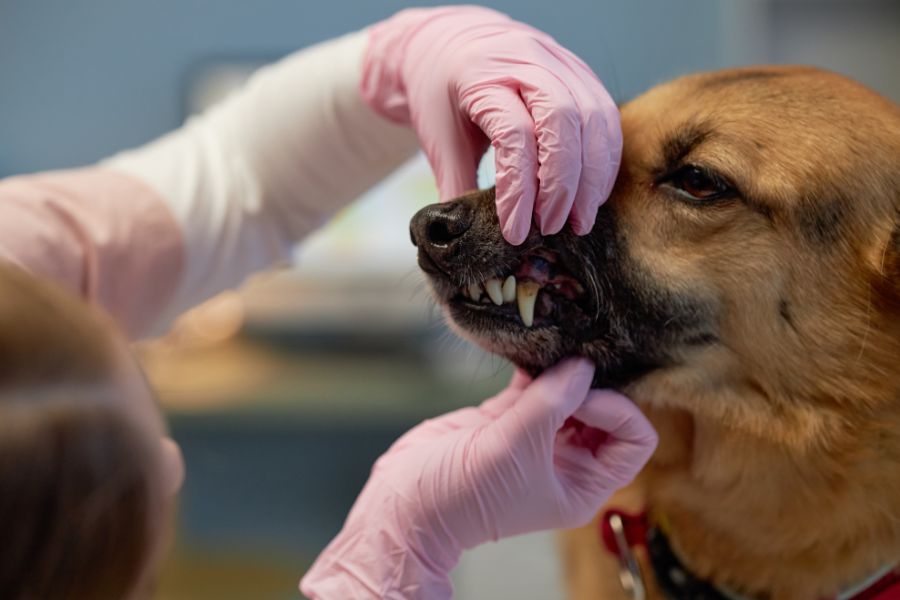
When most pet owners think about their dog’s health, they focus on food, exercise, and vaccinations. But dental health is just as important. In fact, dental disease is one of the most common health problems seen in dogs. Many families in East Greenbush, NY, are surprised to learn how much their dog’s teeth affect their overall health. It is believed that education is the first step to prevention. Let’s explore six eye-opening facts about your dog’s teeth and why dental care matters more than you may think.
Fact #1: Dogs Have 42 Adult Teeth
Most people don’t realize that adult dogs have 42 permanent teeth. That’s 10 more teeth than adult humans.
Here’s the breakdown:
- 12 incisors (small front teeth)
- 4 canines (long, sharp teeth)
- 16 premolars
- 10 molars
Puppies start with 28 baby teeth. These fall out around 3 to 6 months of age as adult teeth grow in. Each type of tooth serves a purpose. Incisors help nibble and groom. Canines tear food. Premolars and molars crush and grind. When even one tooth becomes infected or painful, it can affect how your dog eats and behaves. If you notice loose teeth, bleeding gums, or broken teeth, it’s time to schedule a dental exam with a trusted vet hospital.
Fact #2: Dental Disease Is Extremely Common in Dogs
By the age of three, most dogs show signs of dental disease. This condition is also known as periodontal disease. It starts with plaque. Plaque is a sticky film of bacteria that forms on teeth. If not removed, plaque hardens into tartar. Tartar irritates the gums and leads to infection.
Signs of dental disease include:
- Bad breath
- Red or swollen gums
- Yellow or brown buildup on teeth
- Drooling
- Difficulty chewing
- Pawing at the mouth
Many pet owners think bad breath is normal; it’s not. Persistent bad breath is often the first sign of dental problems. Early pet dental care can prevent pain and costly procedures later.
Fact #3: Dental Problems Can Affect the Whole Body
Here’s something many pet owners don’t know: dental disease doesn’t just stay in the mouth.
Bacteria from infected gums can enter the bloodstream. This can affect major organs, including:
- Heart
- Liver
- Kidneys
Over time, untreated dental disease may lead to serious health complications. That’s why regular dental exams are so important. If you’ve been searching for vets near me to check your dog’s teeth, don’t wait until symptoms become severe. Preventive care protects your dog’s entire body.
Fact #4: Dogs Rarely Show Dental Pain
Dogs are very good at hiding discomfort. In the wild, showing pain could make them vulnerable. Even today, many dogs continue eating and acting “normal” despite dental pain.
Subtle signs of dental discomfort include:
- Chewing on one side
- Avoiding hard food or treats
- Less interest in toys
- Irritability
- Sleeping more than usual
Routine dental checkups are essential, and thorough oral exams are conducted during wellness visits. If needed, it can be a professional dental cleaning under anesthesia to remove plaque and tartar safely.
Fact #5: Professional Dental Cleanings Are Different from At-Home Care
Brushing your dog’s teeth at home is excellent. However, it does not replace professional dental cleanings.
Professional cleanings allow us to:
- Remove tartar above and below the gumline
- Take dental X-rays
- Check for hidden infections
- Extract damaged teeth if necessary
- Polish teeth to slow plaque buildup
Dental X-rays are especially important, many dental issues occur below the gumline, where they cannot be seen with the naked eye.
Fact #6: Prevention Is Easier Than Treatment
The best way to protect your dog’s teeth is through prevention.
Here are simple steps you can take:
1. Brush Your Dog’s Teeth
Aim for daily brushing with a dog-safe toothbrush and toothpaste. Never use human toothpaste.
2. Provide Dental Chews
Look for vet-approved dental treats that reduce plaque.
3. Feed a Balanced Diet
Some prescription dental diets help reduce tartar buildup.
4. Schedule Annual Dental Exams
Regular checkups allow early detection of problems.
5. Watch for Changes
If your dog develops bad breath, swollen gums, or changes in eating habits, call your vet.
Prevention saves money and keeps your dog comfortable.
When Should Your Dog See a Vet for Dental Care?
You should schedule an appointment if you notice:
- Persistent bad breath
- Bleeding gums
- Loose or broken teeth
- Facial swelling
- Reluctance to eat
- Excessive drooling
Even if you don’t see symptoms, adult dogs should have yearly dental evaluations. Puppies should also have their teeth checked to ensure baby teeth fall out properly.
The Long-Term Benefits of Good Dental Care
Taking care of your dog’s teeth leads to:
- Fresher breath
- Less pain
- Better appetite
- Improved overall health
- Longer lifespan
Dental health is not just cosmetic; it is a critical part of your dog’s dental care plan. If you’re looking for compassionate “vets near me” in East Greenbush, NY, our team at East Greenbush Animal Hospital is here to help your dog maintain a healthy smile for years to come. Schedule an appointment today to get the required guidance about dental health and improvement.
FAQs
1. How often should my dog’s teeth be professionally cleaned?
Ans: Most dogs need a professional dental cleaning once a year. Some breeds prone to dental disease may need cleanings more often. Your veterinarian can recommend the right schedule.
2. Is anesthesia safe for dental cleanings?
Ans: Yes, modern veterinary anesthesia is very safe when properly monitored. At East Greenbush Animal Hospital, we carefully monitor your dog’s heart rate, breathing, and blood pressure throughout the procedure.
3. What breeds are more prone to dental disease?
Ans: Small breeds like Chihuahuas, Yorkies, and Dachshunds often develop dental problems earlier. However, all breeds can experience dental disease.
4. Can I use human toothpaste on my dog?
Ans: No, human toothpaste contains ingredients that are harmful if swallowed. Always use toothpaste made specifically for dogs.
5. How can I tell if my dog has a tooth infection?
Ans: Signs include bad breath, swelling, discharge, reluctance to chew, or behavior changes. A veterinary exam and dental X-rays are often needed for diagnosis.
6. What happens if dental disease is left untreated?
Ans: Untreated dental disease can lead to pain, tooth loss, bone damage, and infections that affect the heart, liver, or kidneys. Early treatment prevents serious complications.
 I have a GSD who isn't always her best self at the vet. She goes every 6 to 8 weeks for allergy shots so it is hard to create a positive association. My GSD has been going here since she was a puppy, and the staff are wonderful. At our last visit I learned that they actually put a note on my girl's file that she "does best receiving her treatments in the chair with mom holding her head." That made me happy to know that they wrote a note to ensure the visit doesn't create more stress for my dog.
